 Image 1 of 2
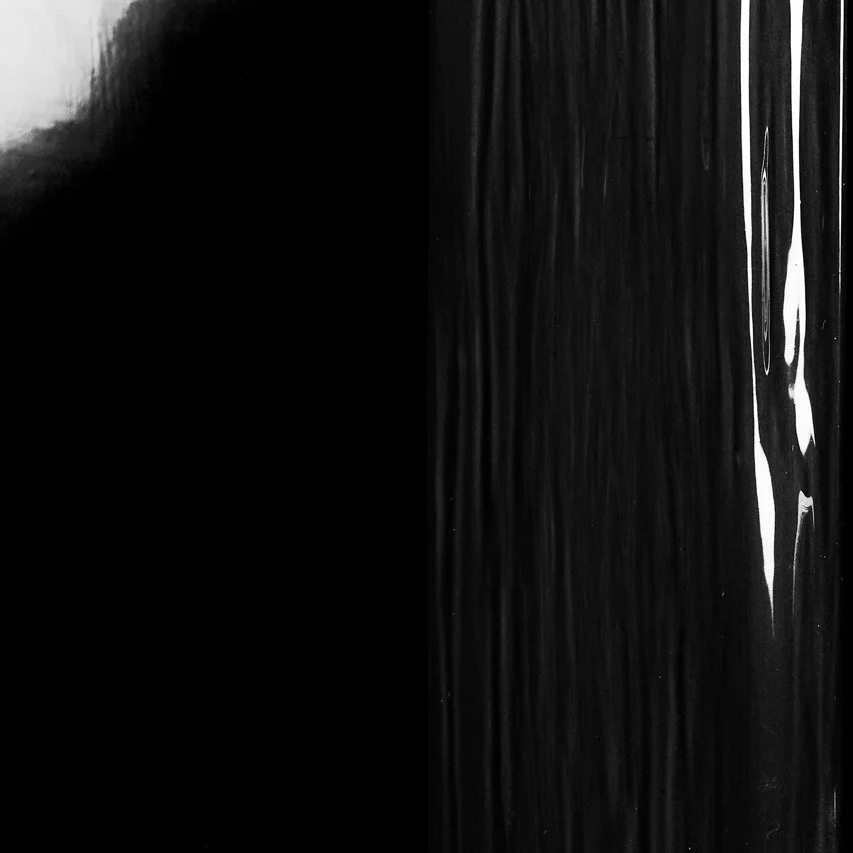 Image 2 of 2
The distinctive feature of Japanese urushi lacquer is that it is made from the sap of a tree belonging to the sumac family. This sap becomes lacquer after a process of water evaporation and impurity filtration, and the addition of colored pigments. Achieved through two repeated steps—polishing the surface on one side and adding successive layers of urushi on the other—lacquer work requires a high level of skill.
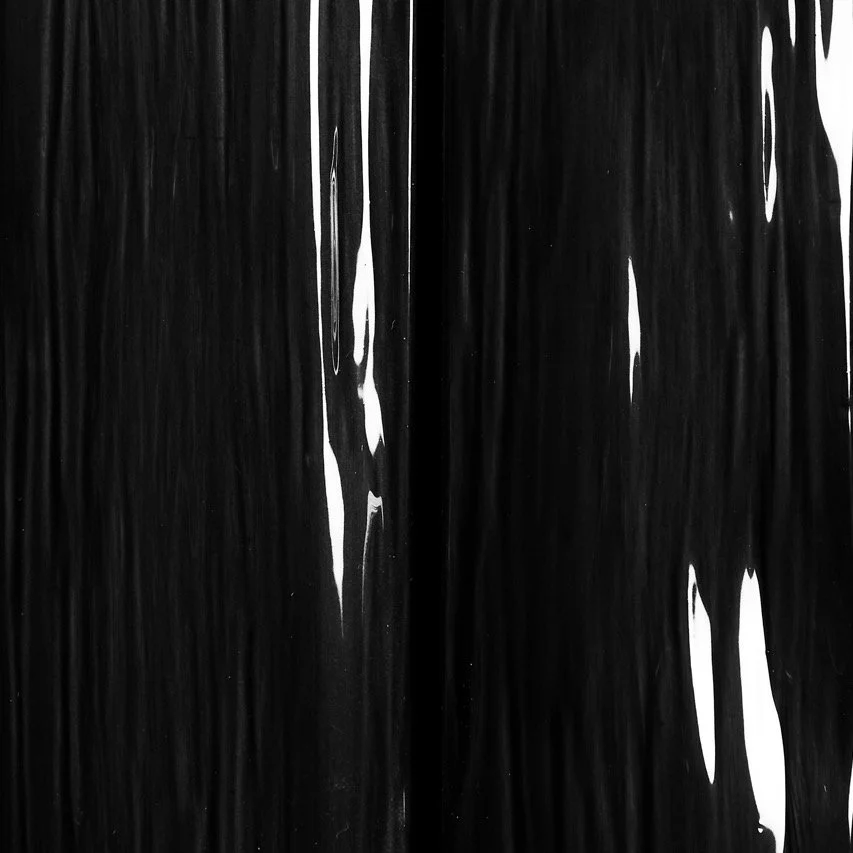
The lacquer finishes offered by Garnier & Linker play with transparency, texture, and the interactions between the material and its surface. As all the work is done by hand, each piece is unique. Furthermore, lacquer is a living material that tends to lighten slightly over time. Here, the lacquer is applied to Kitayama cedar, a species whose naturally bumpy grain, hidden underneath its bark, is one of a kind.
The lacquered Kitayama cedar can be complemented with lacquered wood pieces (bottom image).
Workshops specializing in these techniques are based in Kyoto, Japan.
To preserve the beauty of the pieces, clean them gently with a soft cloth and avoid using any chemicals.