
KITAYAMA
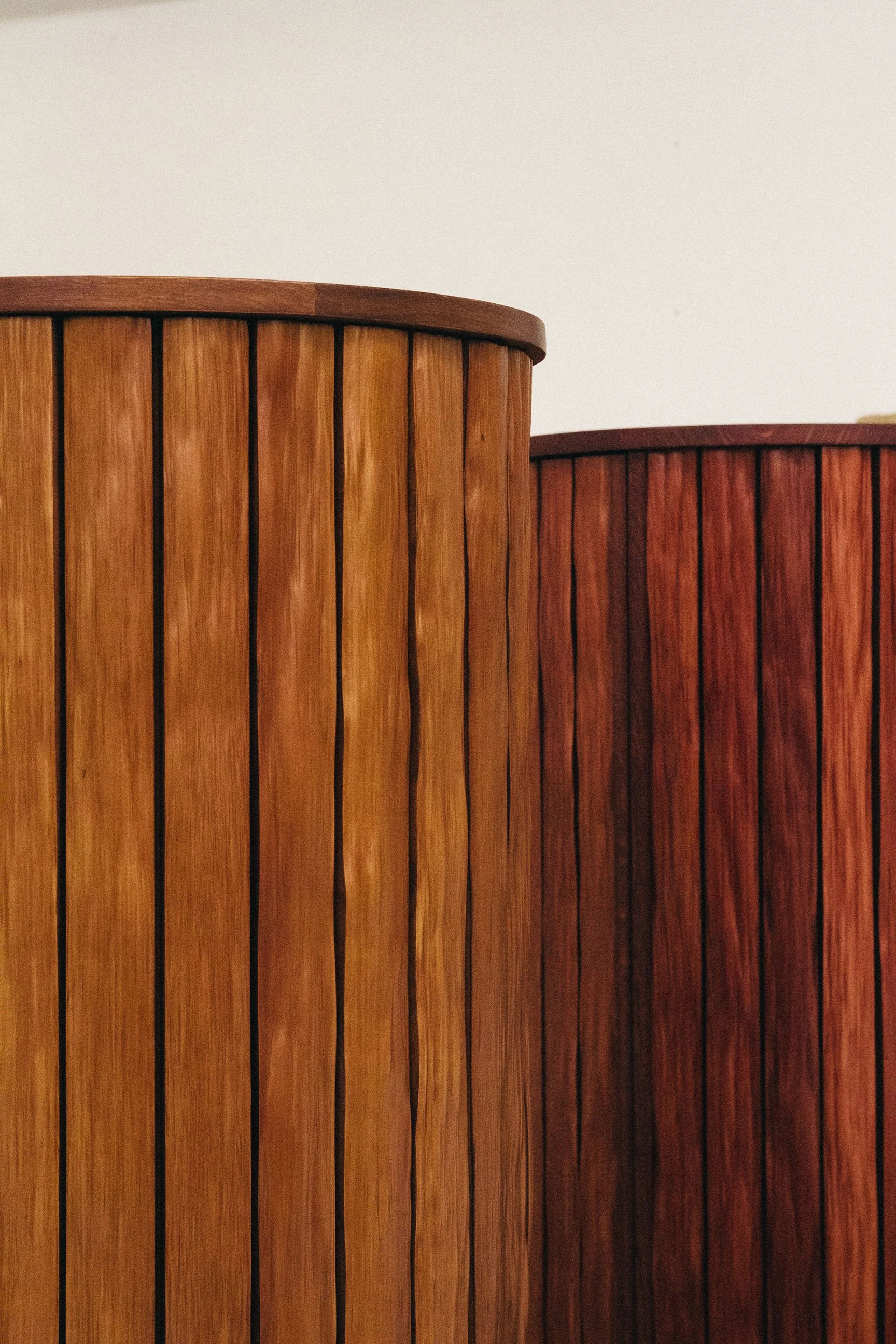
In the mountains north of Kyoto grows a tree that is unique in the world. Unique in the way that each branch is carefully cut during the tree's twenty years of growth, so that there are no knots on the surface of the trunk. It is also unique in its use: the trunk, stripped of its bark and then polished, is kept whole and used as a decorative post in the most prestigious rooms of the house, like a piece of nature invited into the domestic world. Finally, it is unique in its texture, naturally bumpy, which seems to have been sculpted by nature and has been sought after for 600 years in traditional Japanese architecture.
This unique tree is known as the Kitayama cedar.
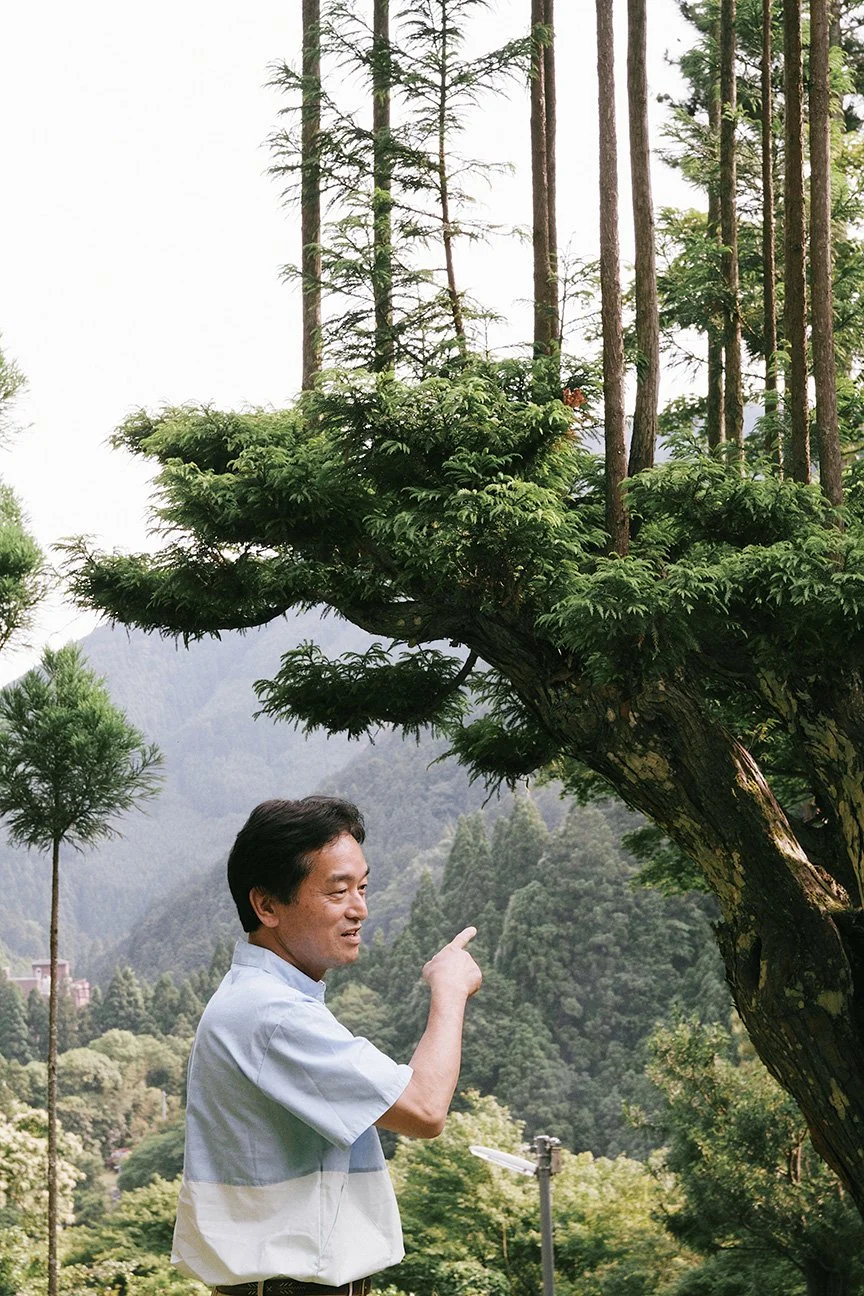
Garnier & Linker's first encounter with Kitayama cedar took place in 2015 during a trip organized by the Kyoto City Council to visit Japanese workshops and see how their centuries-old expertise could be reinterpreted to prevent it from disappearing. That day, the encounter took place in a forest, and the craftsman was a forester. His problem was common to the other workshops visited: Kitayama cedar, which used to be snapped up at auctions for the most beautiful specimens, is finding fewer and fewer buyers in contemporary architecture for its traditional use.
How can he avoid disappearing, and with it a piece of Japanese heritage and culture? What use can be found for this tree, which requires a lot of work and therefore cannot be used as simple construction wood?
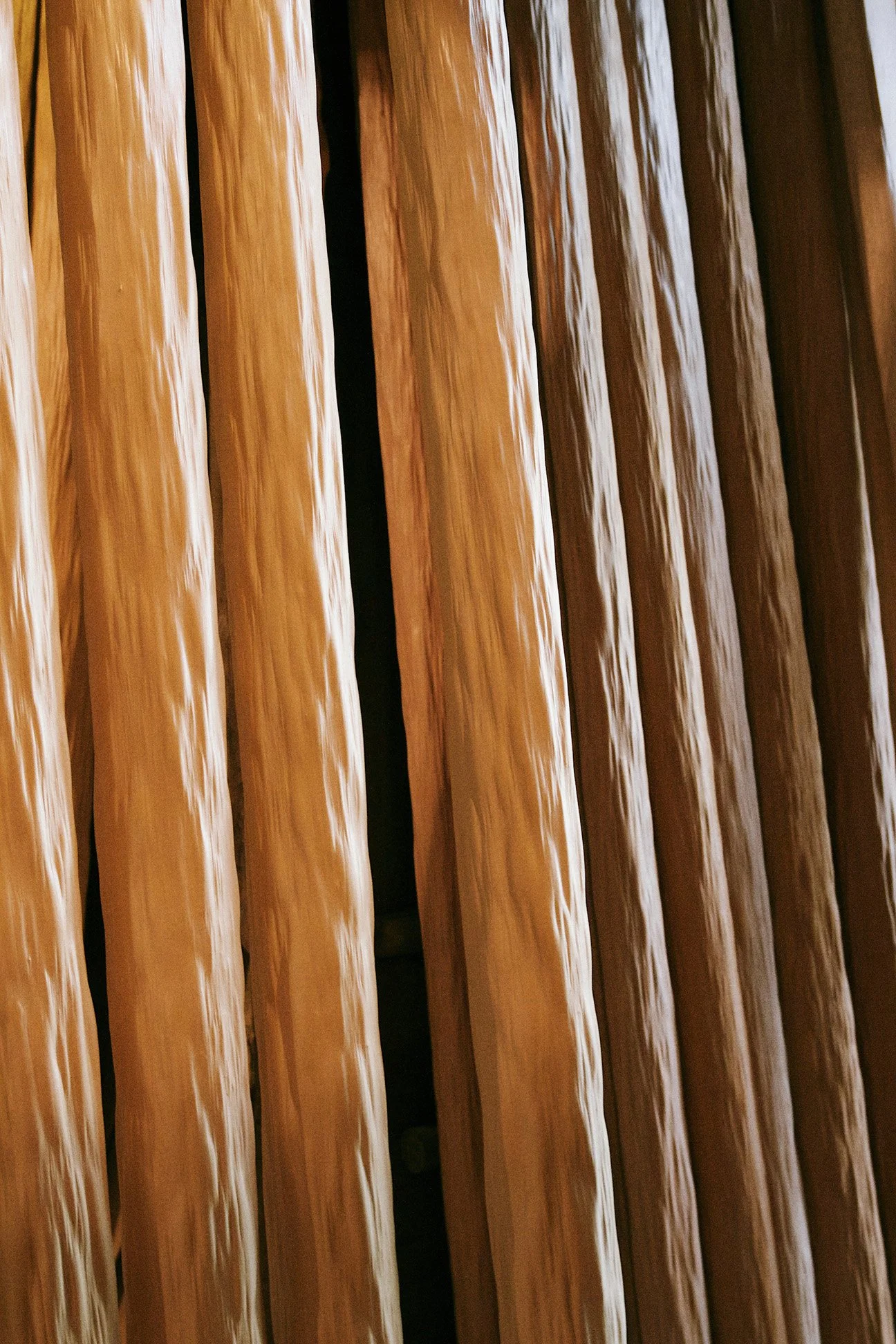
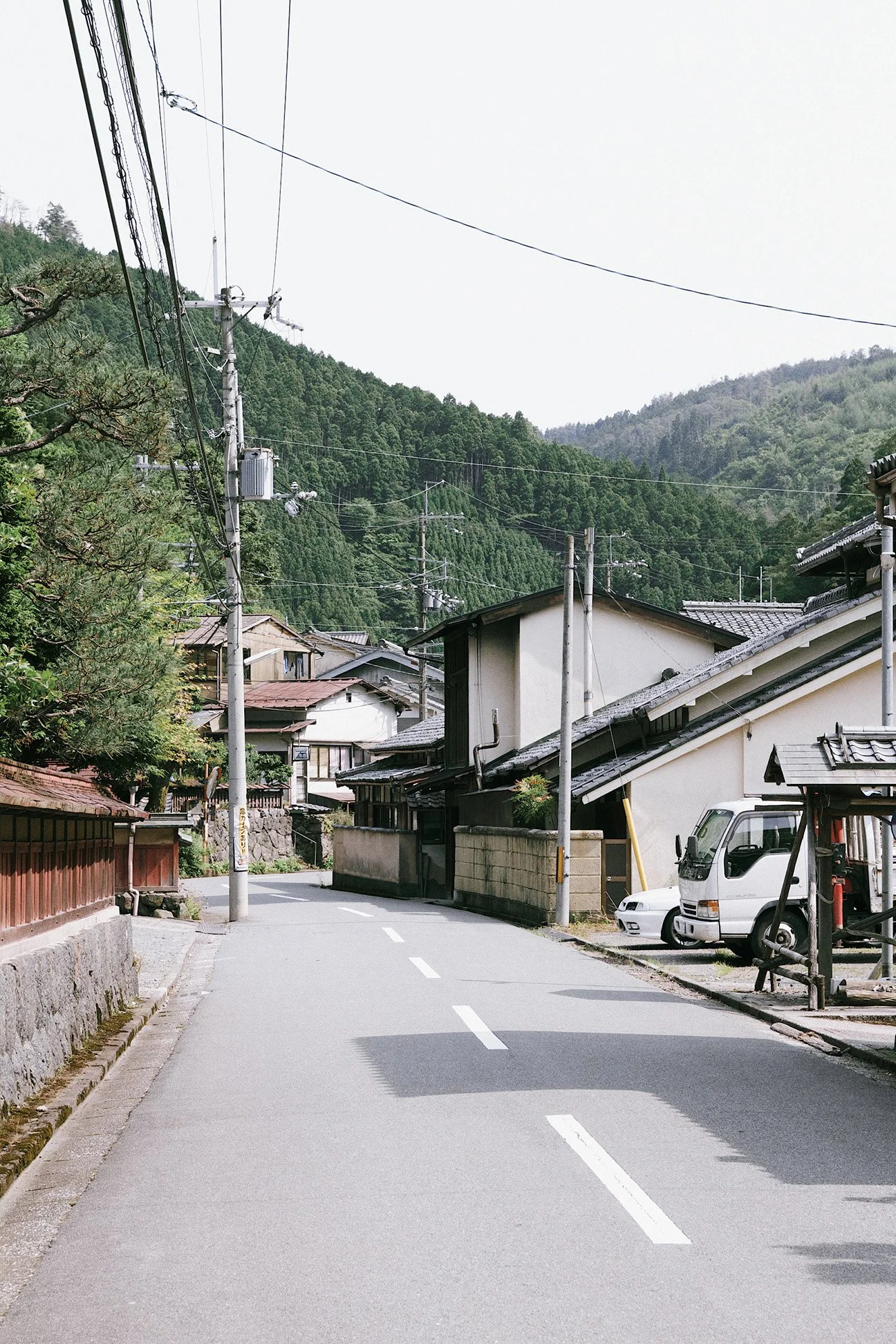
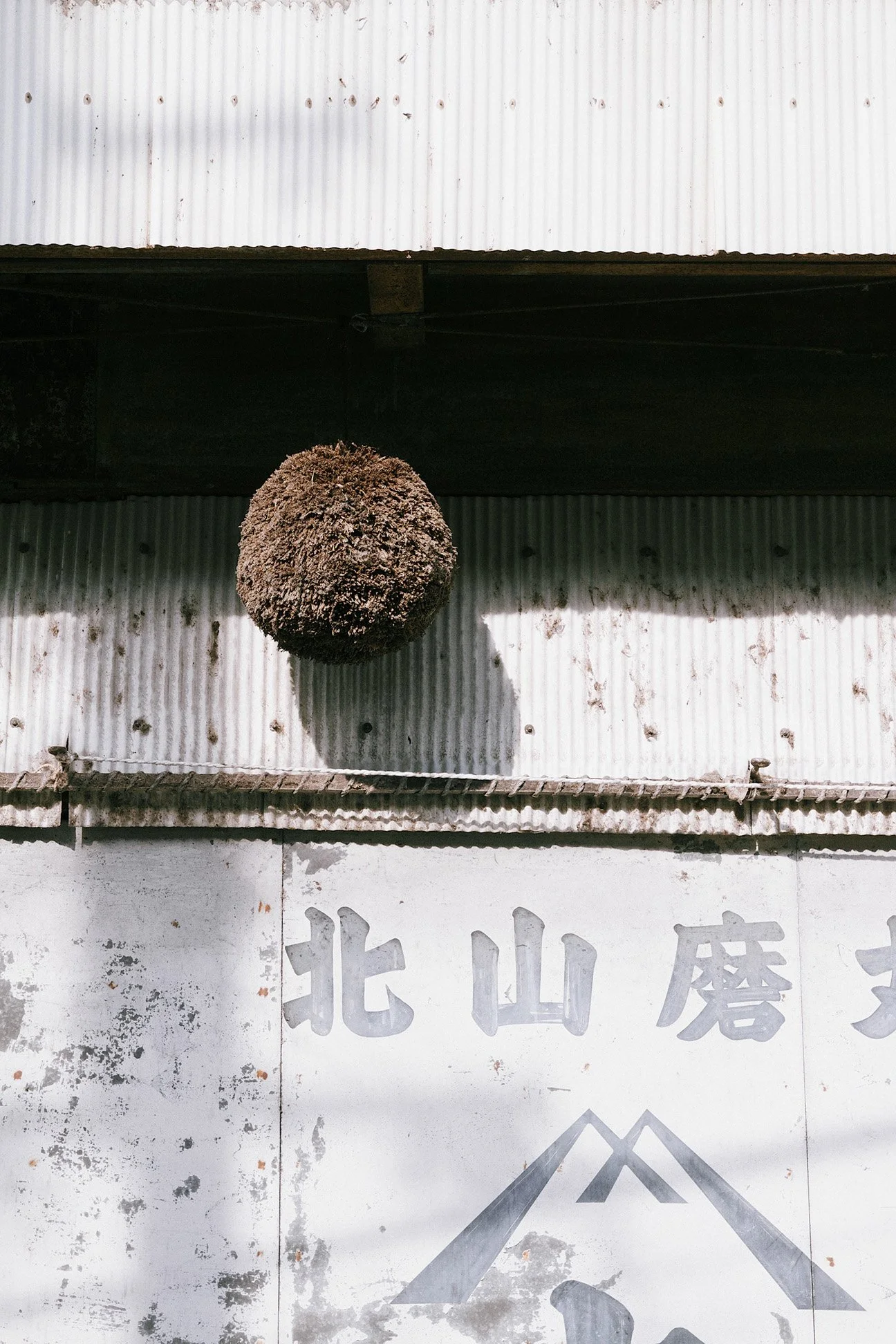
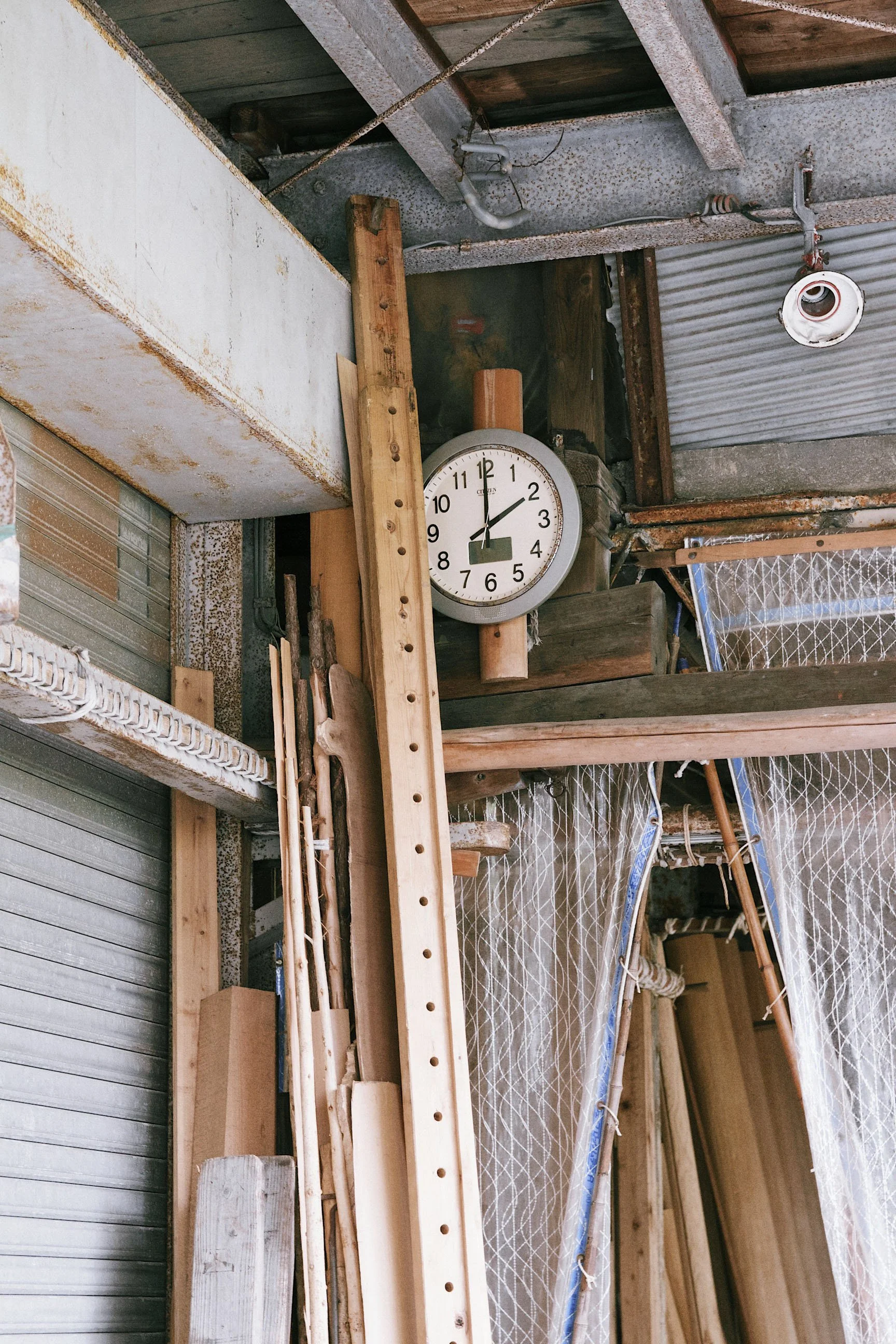
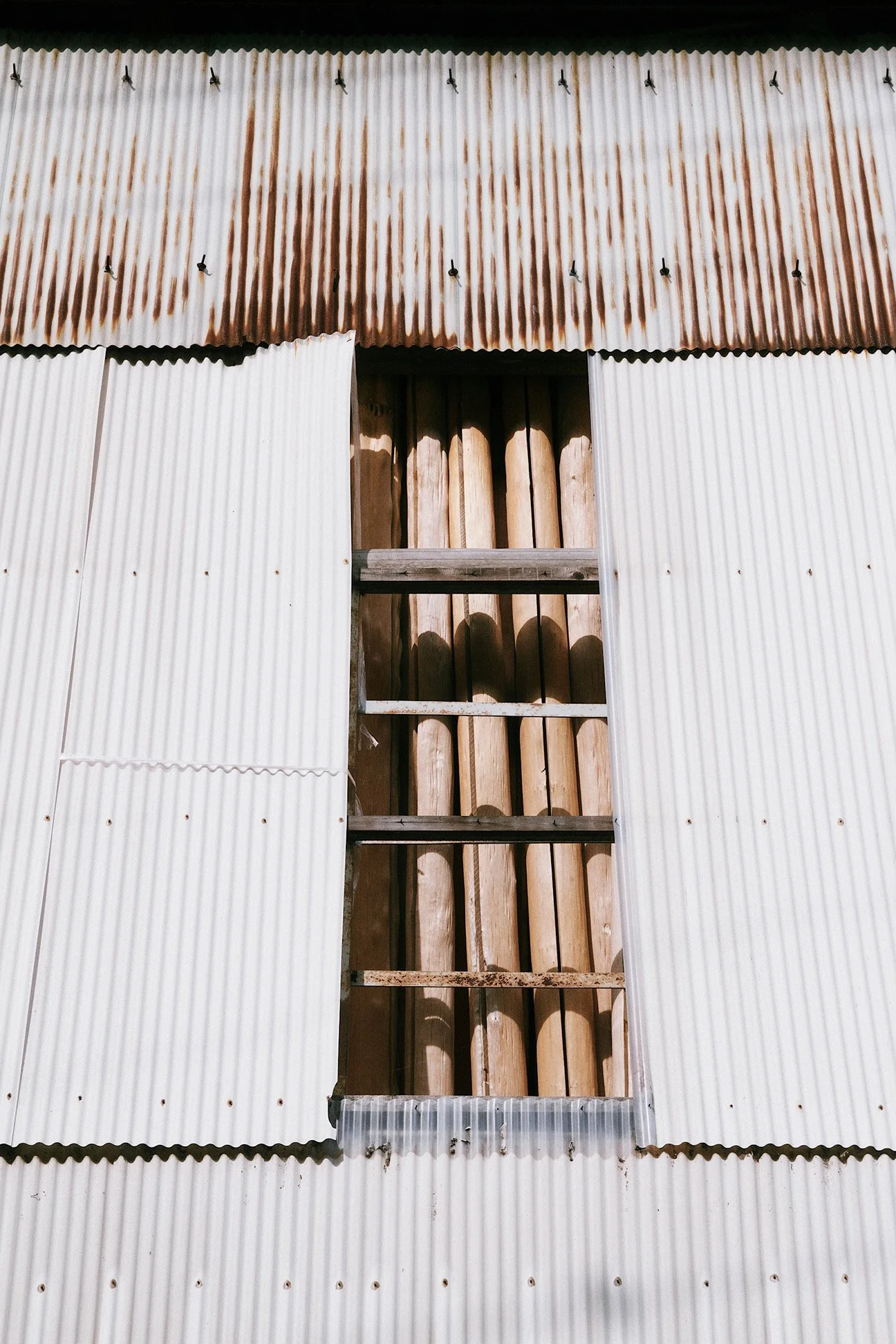
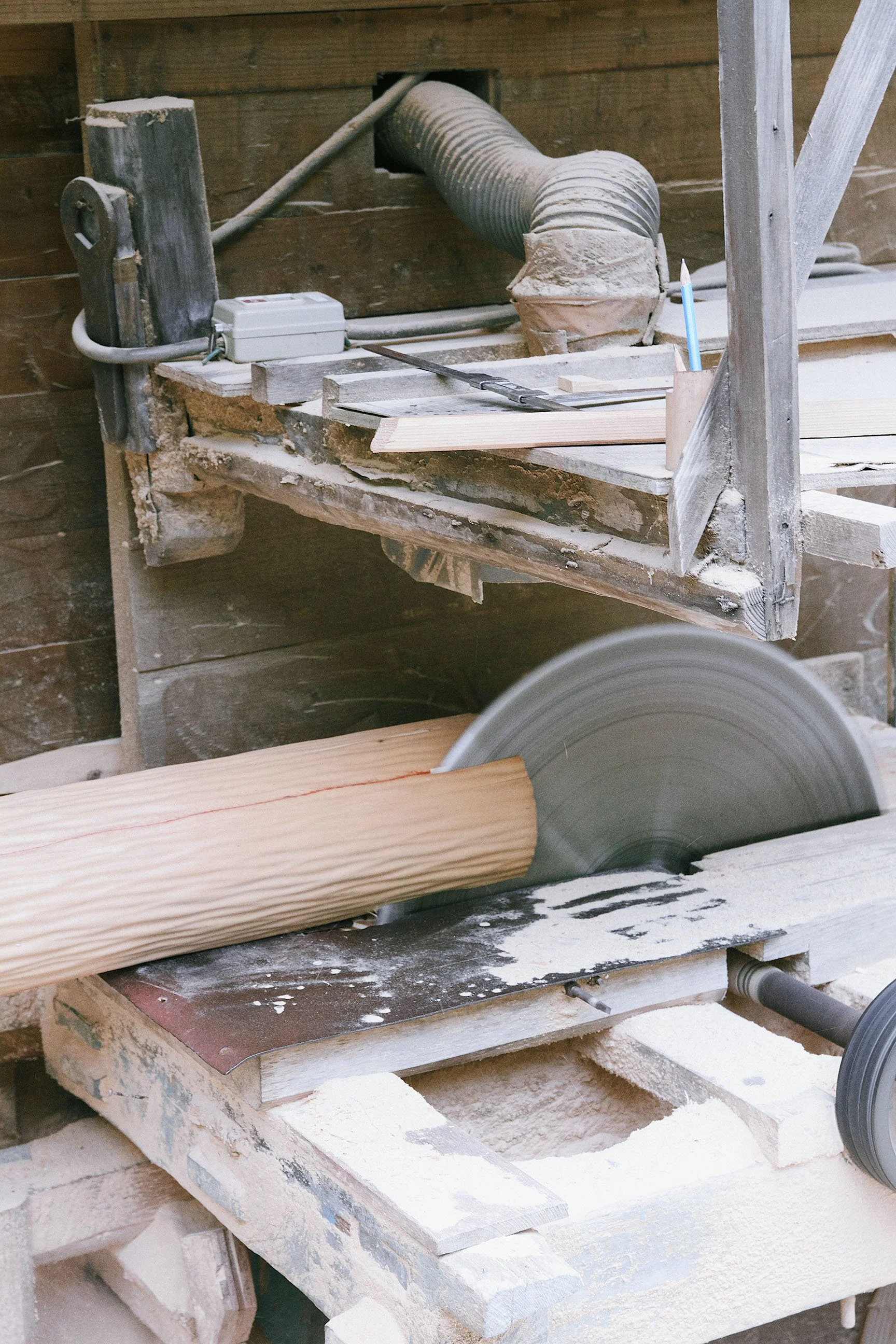
Immediately captivated by the unique texture of the trees, the magical forest, and their encounter with a passionate man, Garnier & Linker imagined a use that could give these trees a second life. This is how the KITAYAMA furniture collection began, with the idea of using the most interesting and emblematic part of the tree: the exterior.
Once the bark has been removed, the trees were polished and cut in Kyoto before being shipped to France.
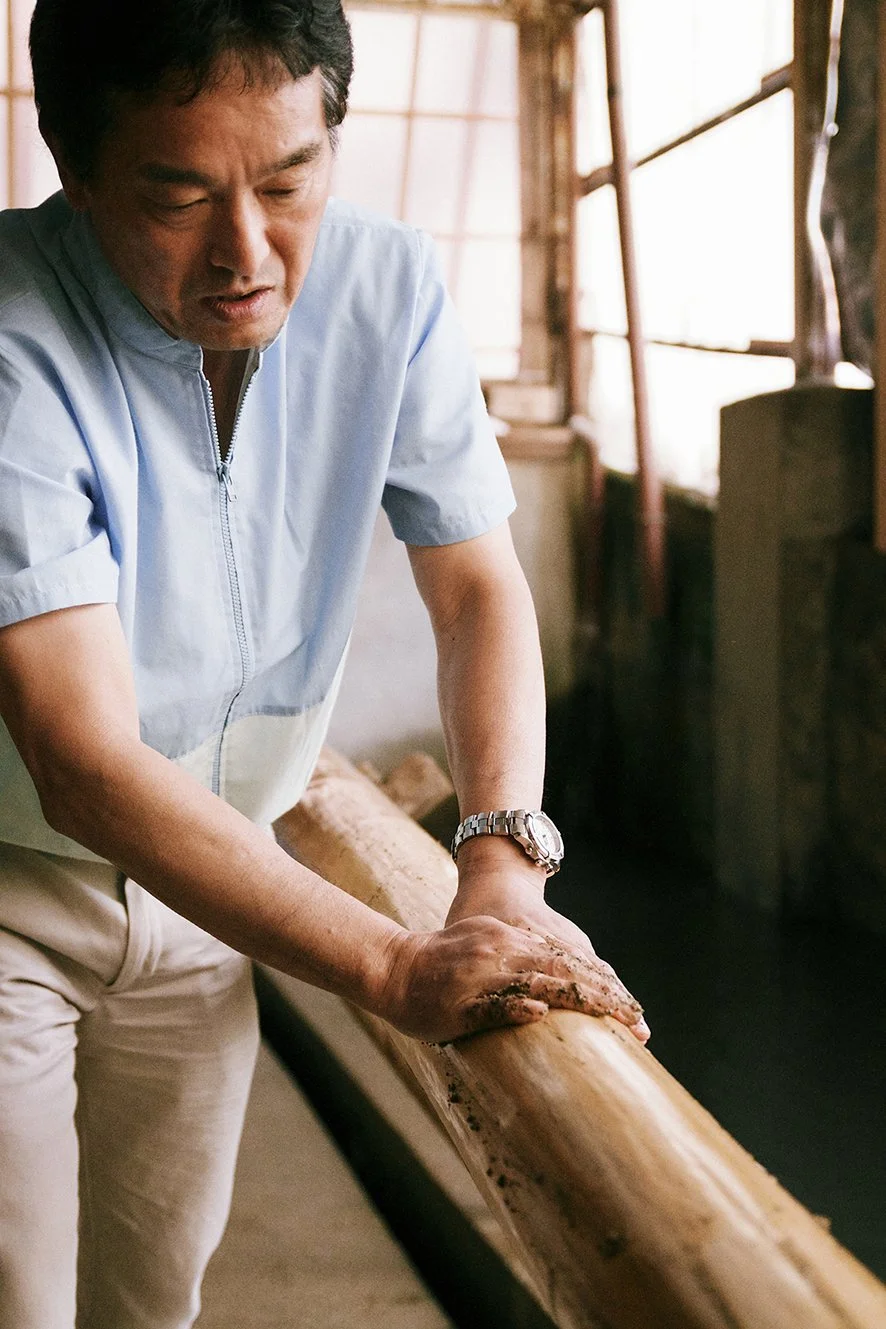
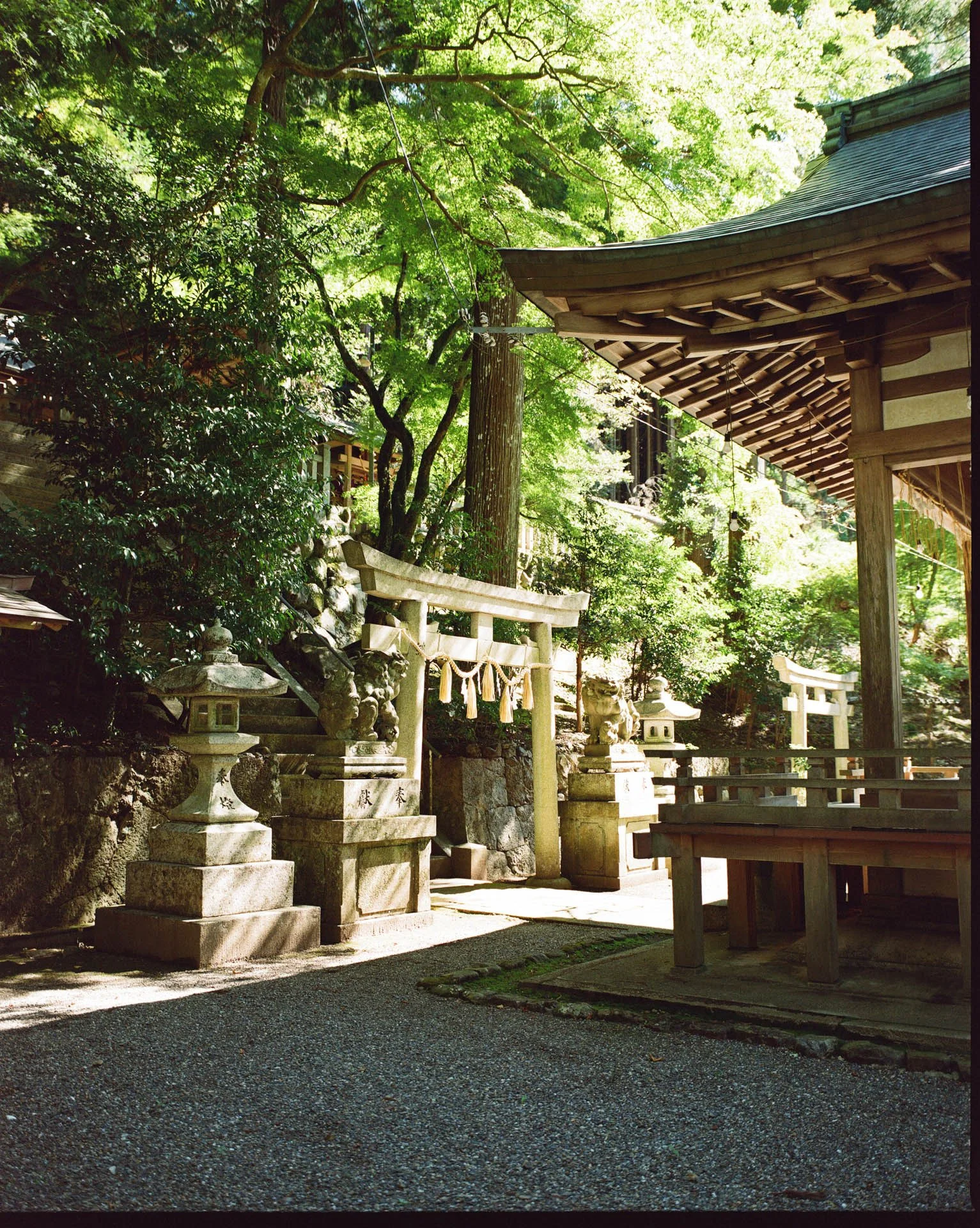
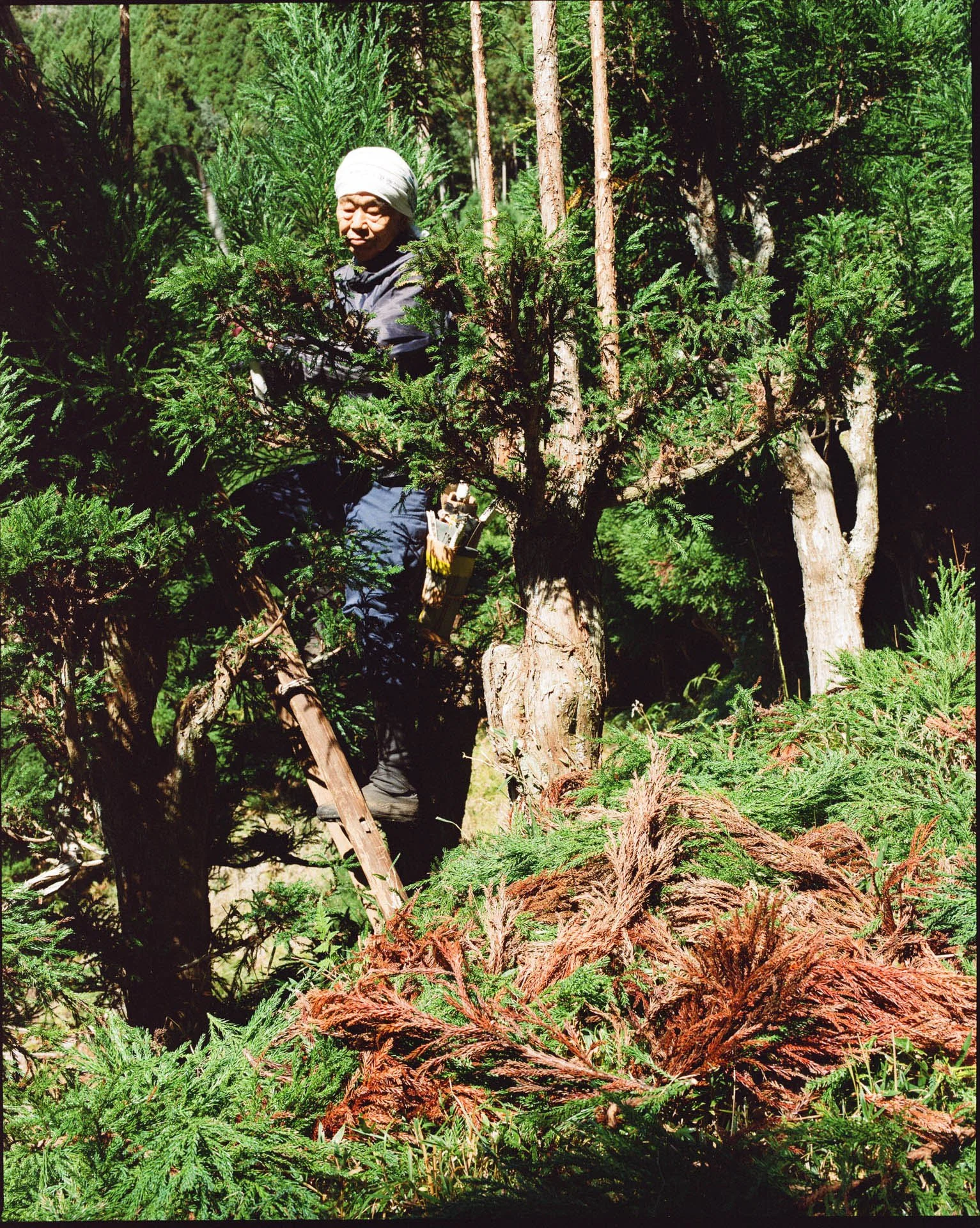

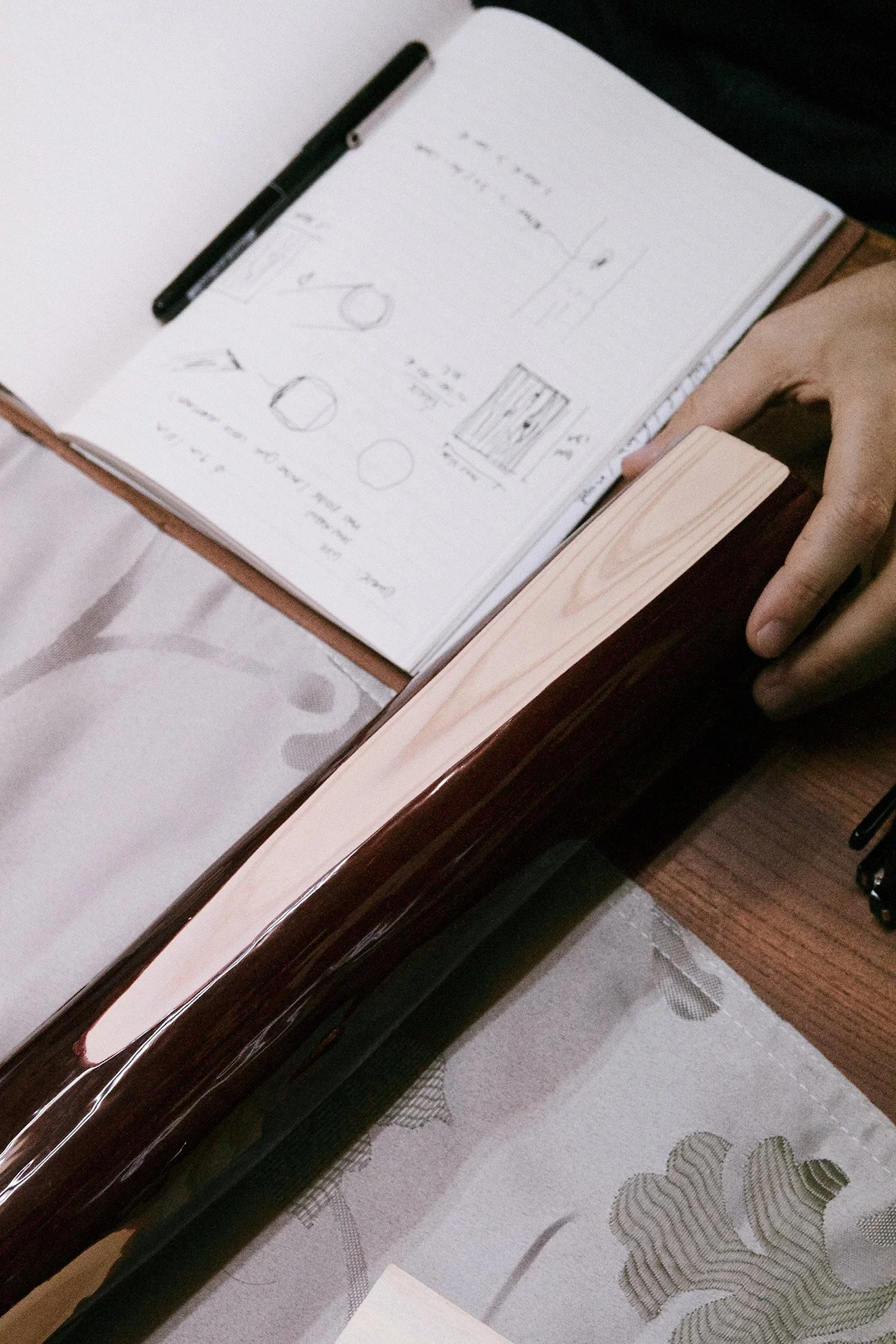
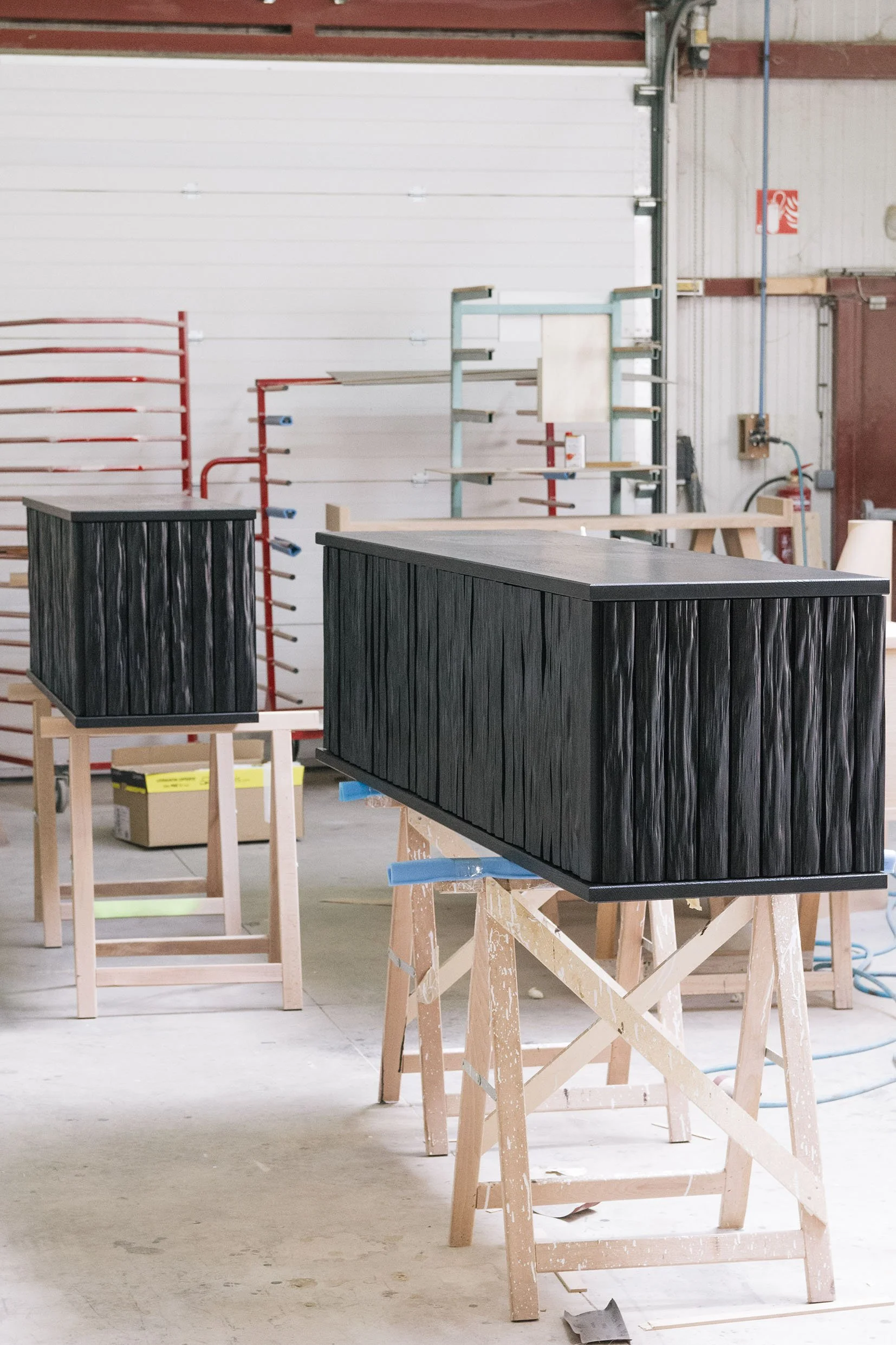
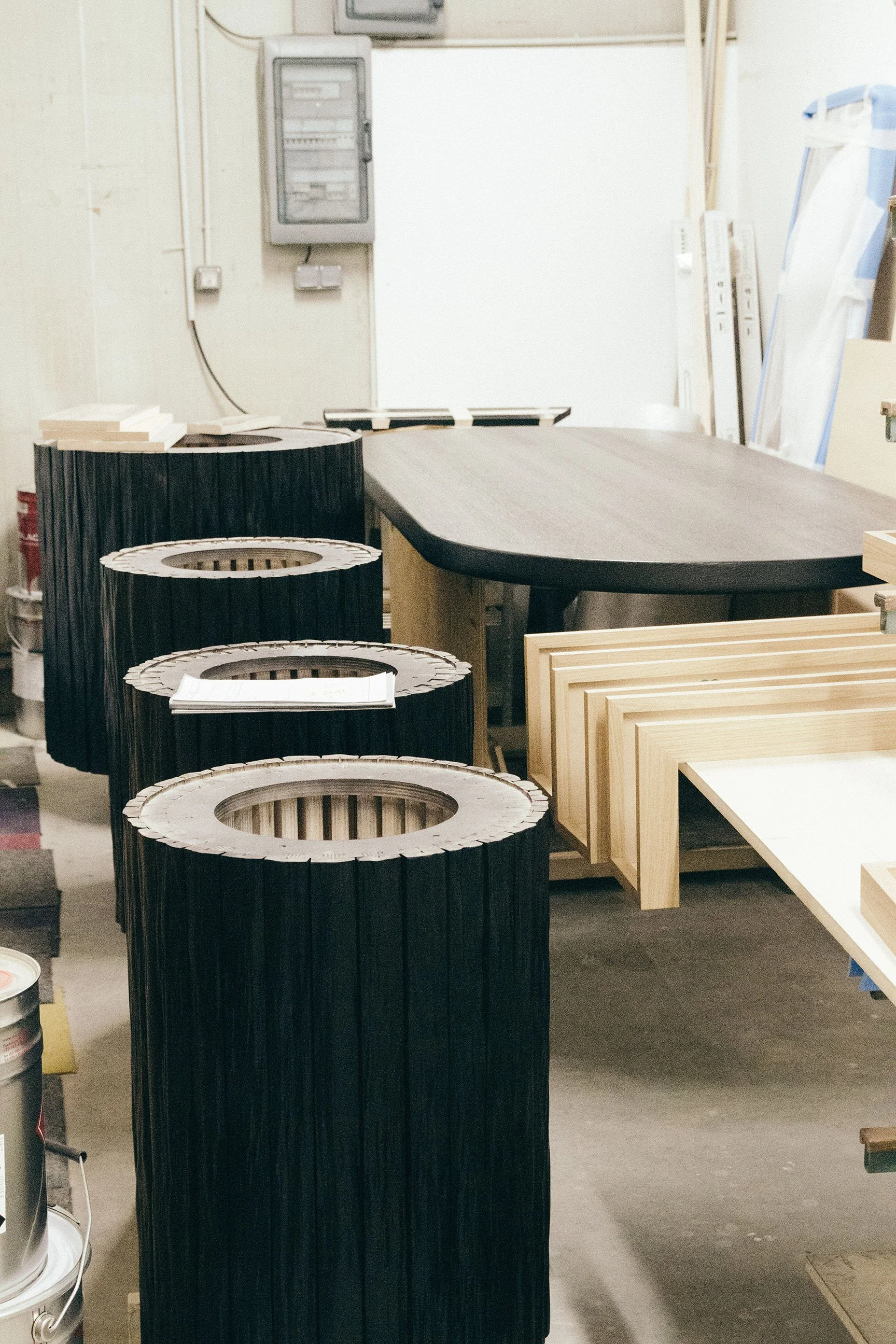
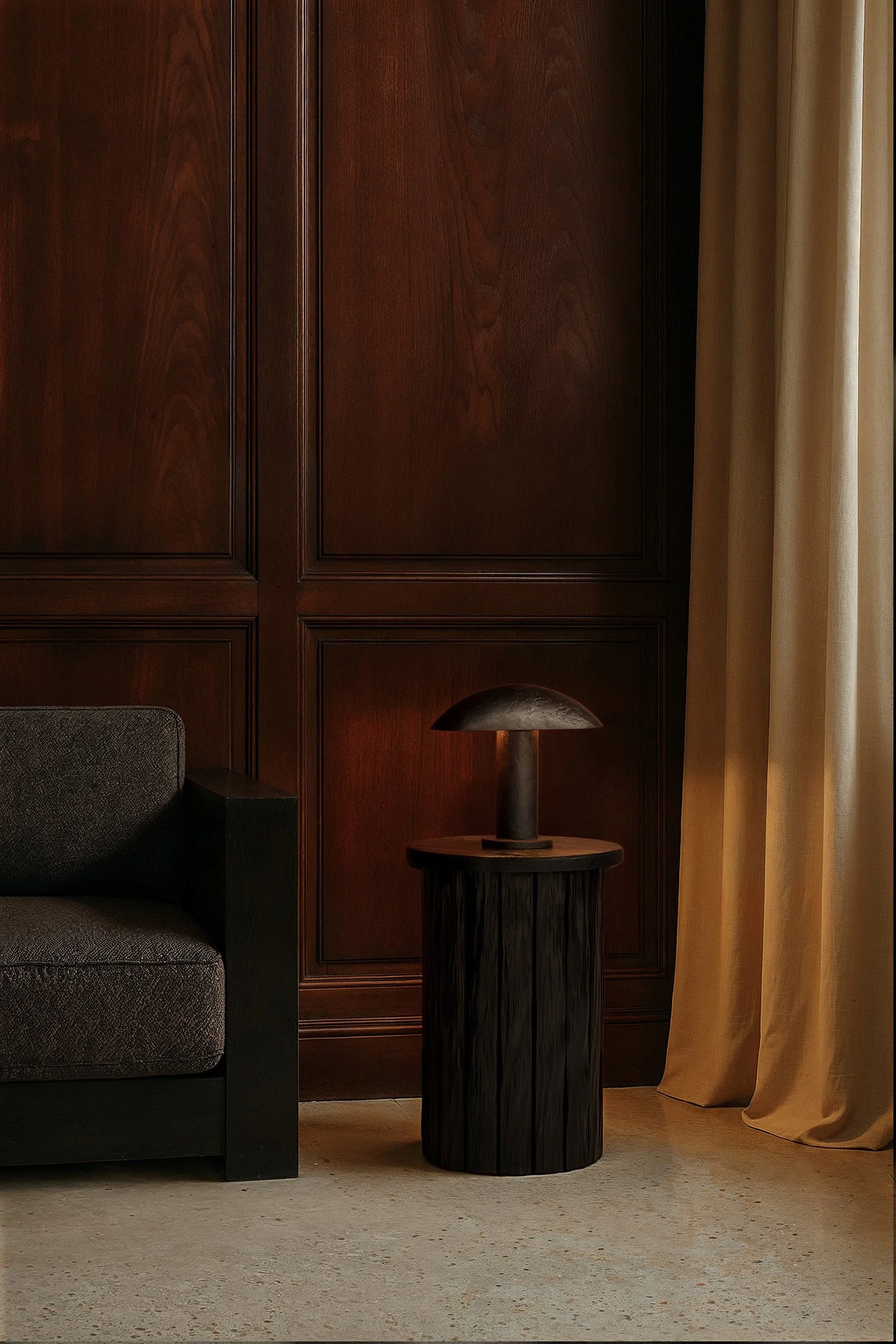
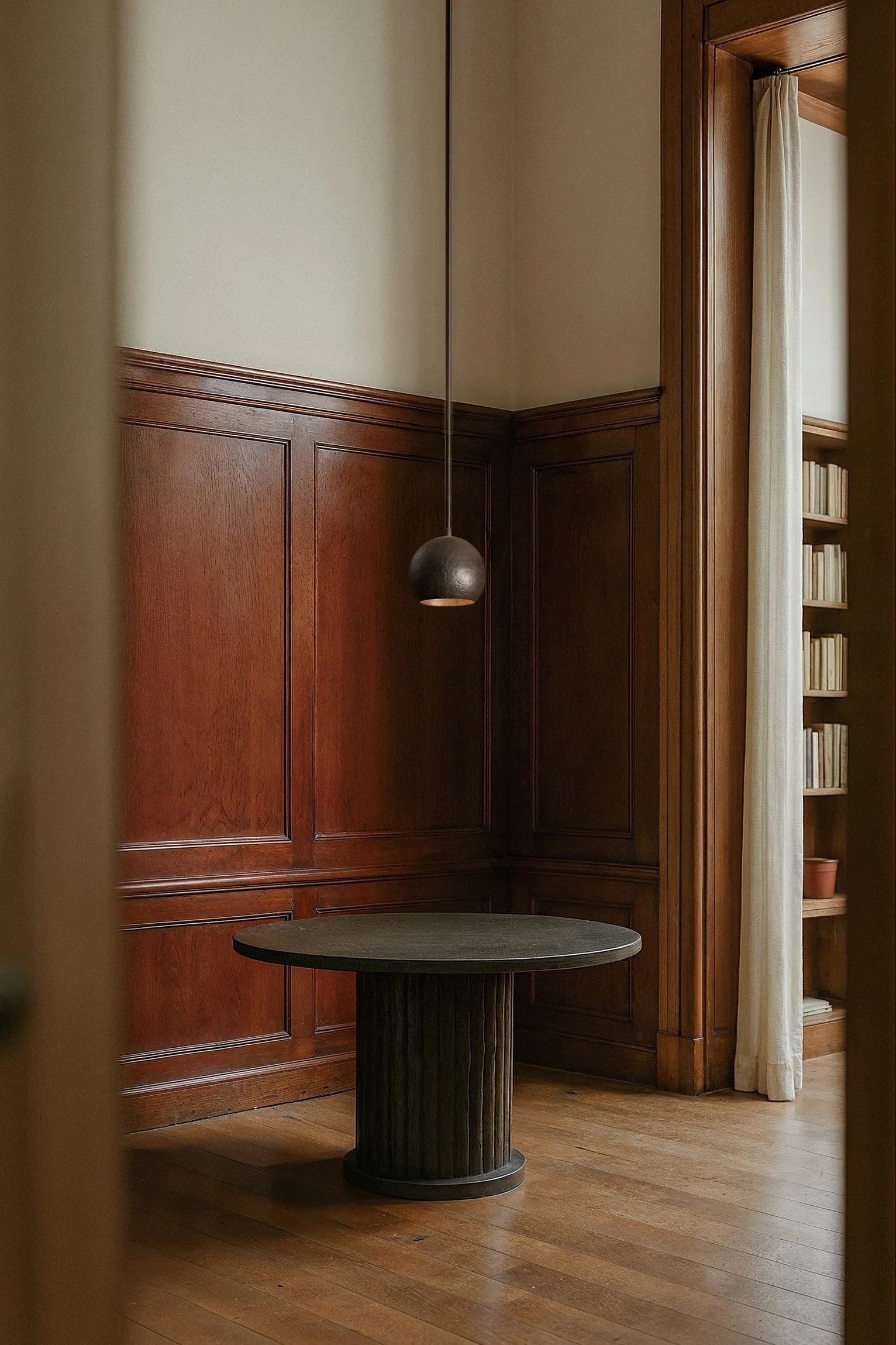
After extensive research with a cabinetmaking workshop near Paris to stabilize this solid wood, Garnier & Linker designed an entire collection of tables, storage units, desks, and benches. The same workshop continues to handcraft each piece in the KITAYAMA collection using traditional French cabinetmaking techniques.
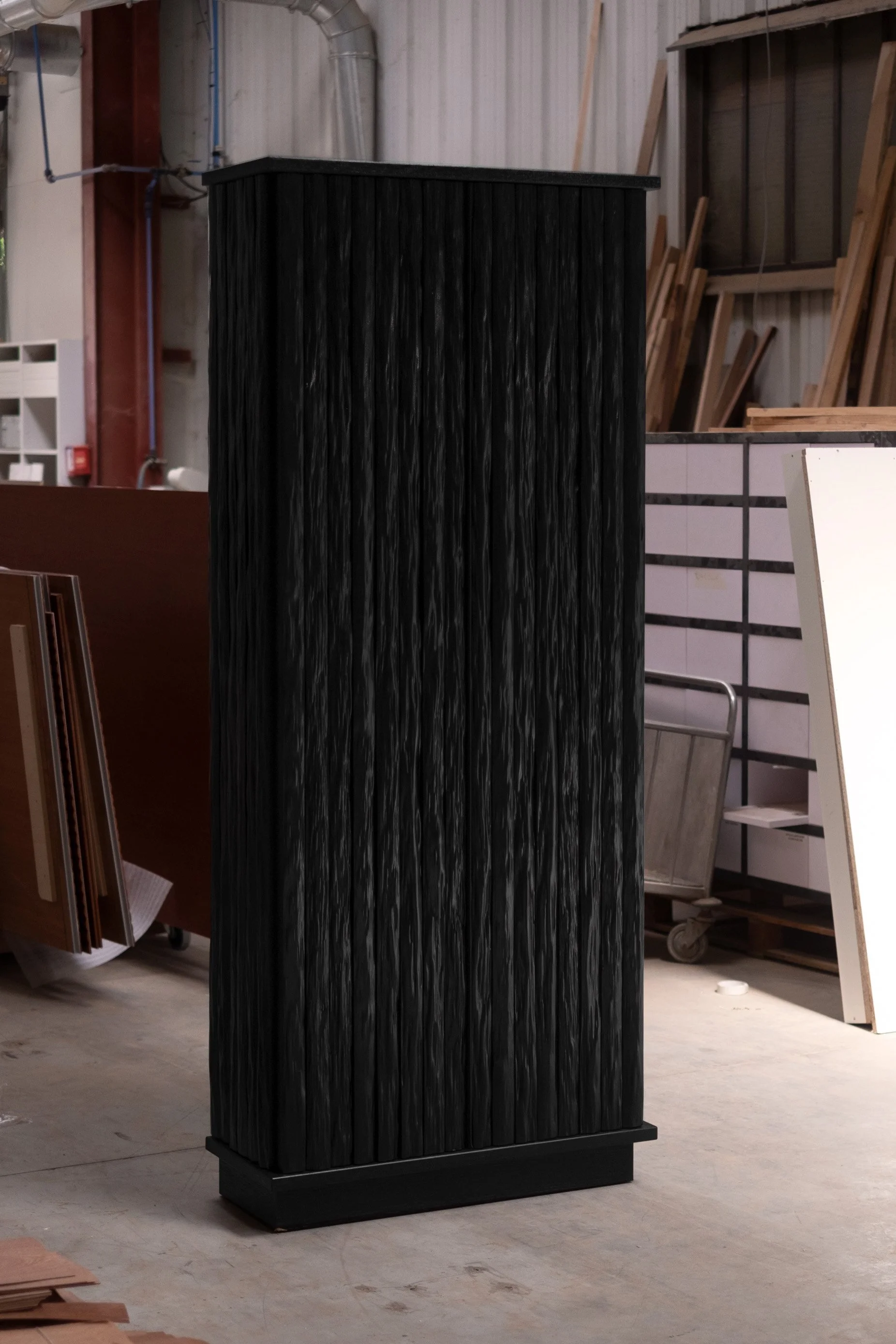
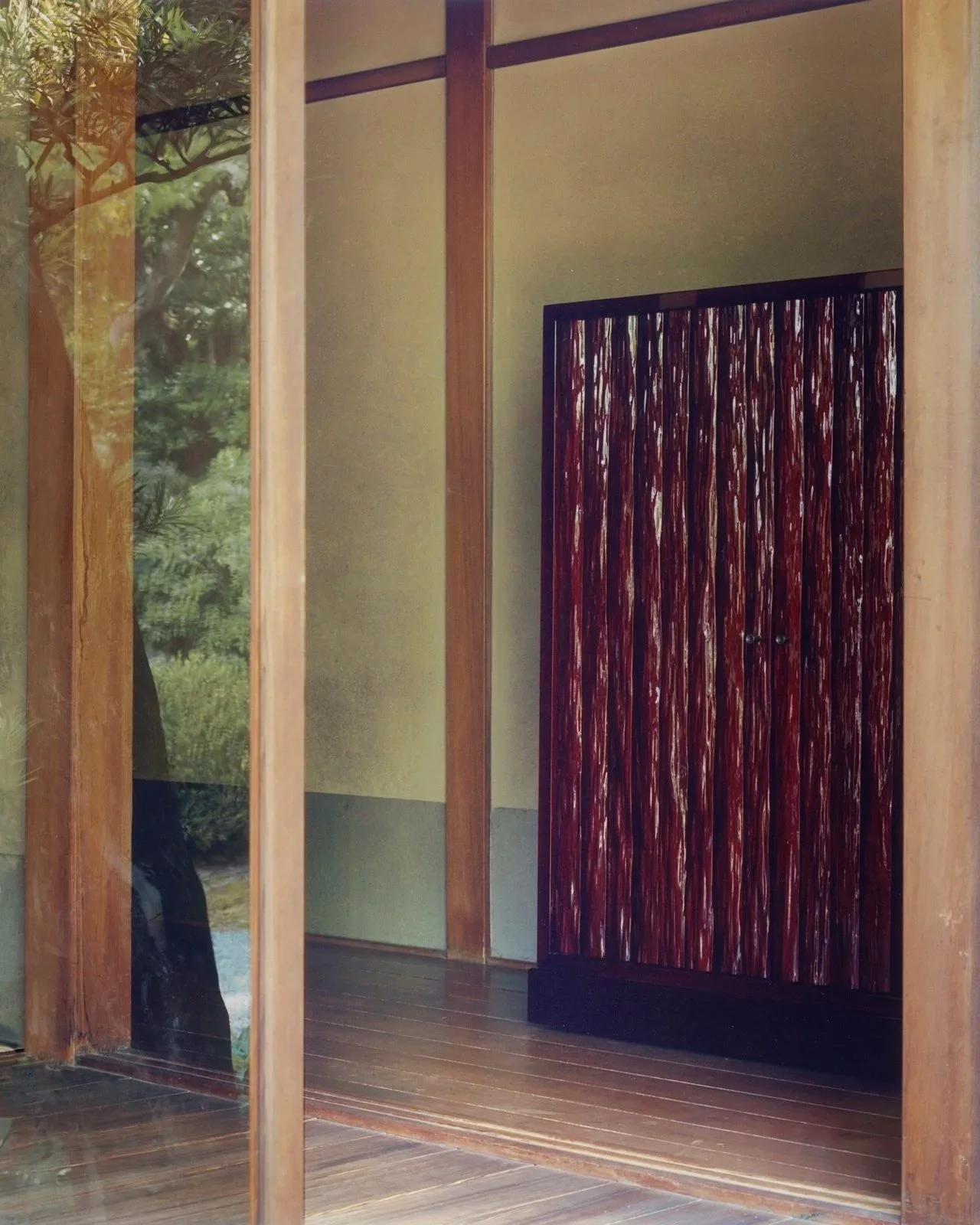
Four finishes—natural, black stained, mahogany, or dark stained oak—were developed for Kitayama cedar, which is complemented by oak elements or stone tops. The latest chapter in the story of this unique material is its combination with another typical Japanese craft: urushi lacquer. The KAMI collection of urushi lacquer furniture and lighting also includes pieces in lacquered Kitayama cedar. The texture of the cedar is thus enhanced, with the depth and subtle variations of the lacquer accentuating the natural relief of the Kitayama.
DINING TABLES
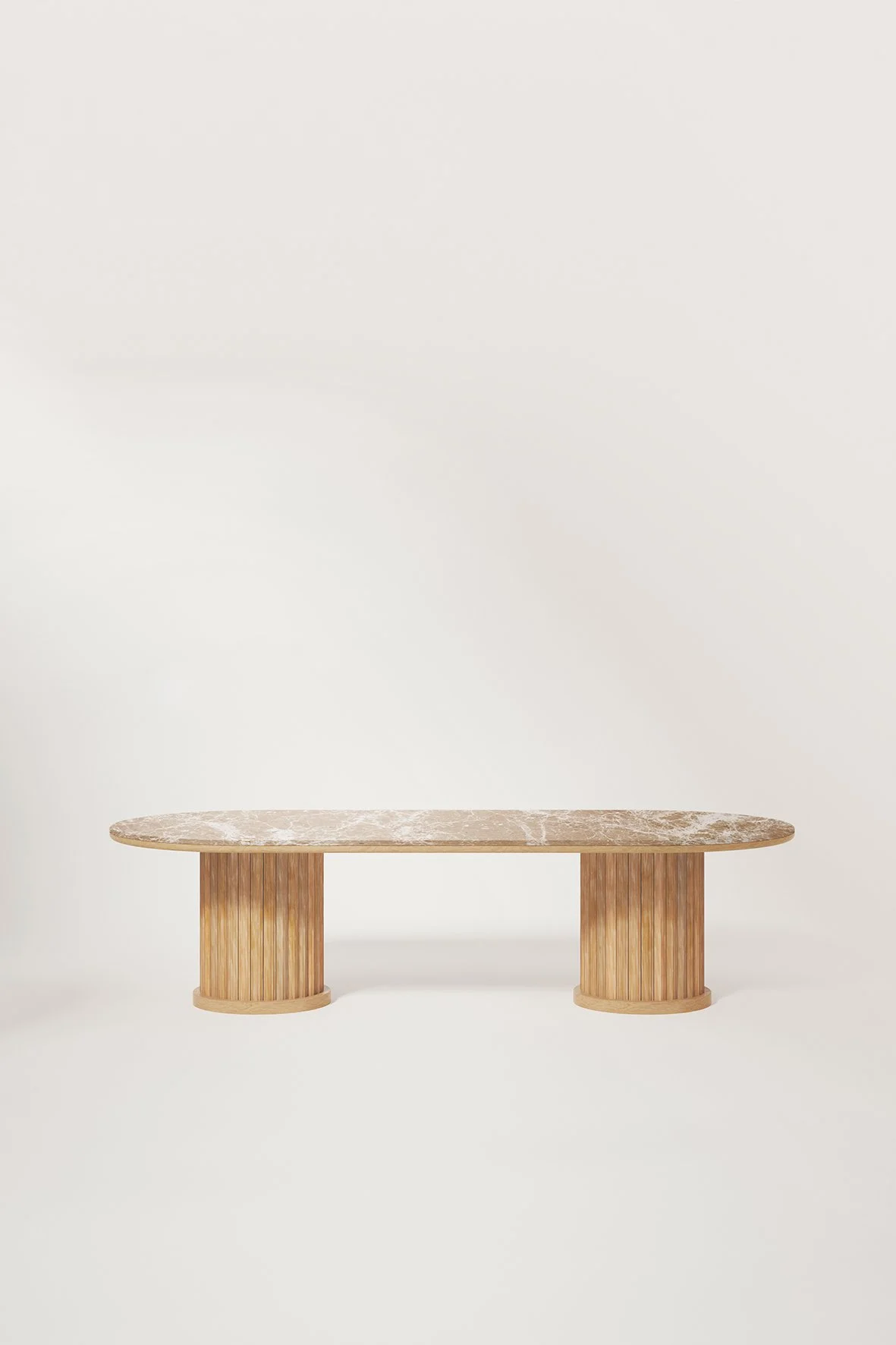
Long table in Kitayama cedar and stone. Each piece is signed.
-
Dimensions: Length 290 cm/114.2 in, width 130 cm /51.2 in, height 75 cm/29.5 in.
All pieces are made to order, and can be customized.
Materials: feet in natural or stained Kitayama cedar and oak. Top: upper stone top, lower top in natural or stained oak
Lead time: approximately 16-18 weeks unless otherwise quoted
-
Kitayama cedar is typical of nothern Kyoto mountains forests. For 600 years, men have been controlling each tree’s growth in order to get very straight trunks without any knot. Logs have traditionally been used for building tea houses. Its naturally bumpy grain, hidden underneath its bark, is one of a kind.
Discovered during a travel in Japan, Kitayama cedar’s unique texture inspired them a furniture collection. Trunks are polished and cut in Kyoto, and sent to France. Each piece of furniture is handmade according to traditional cabinet making techniques.
-
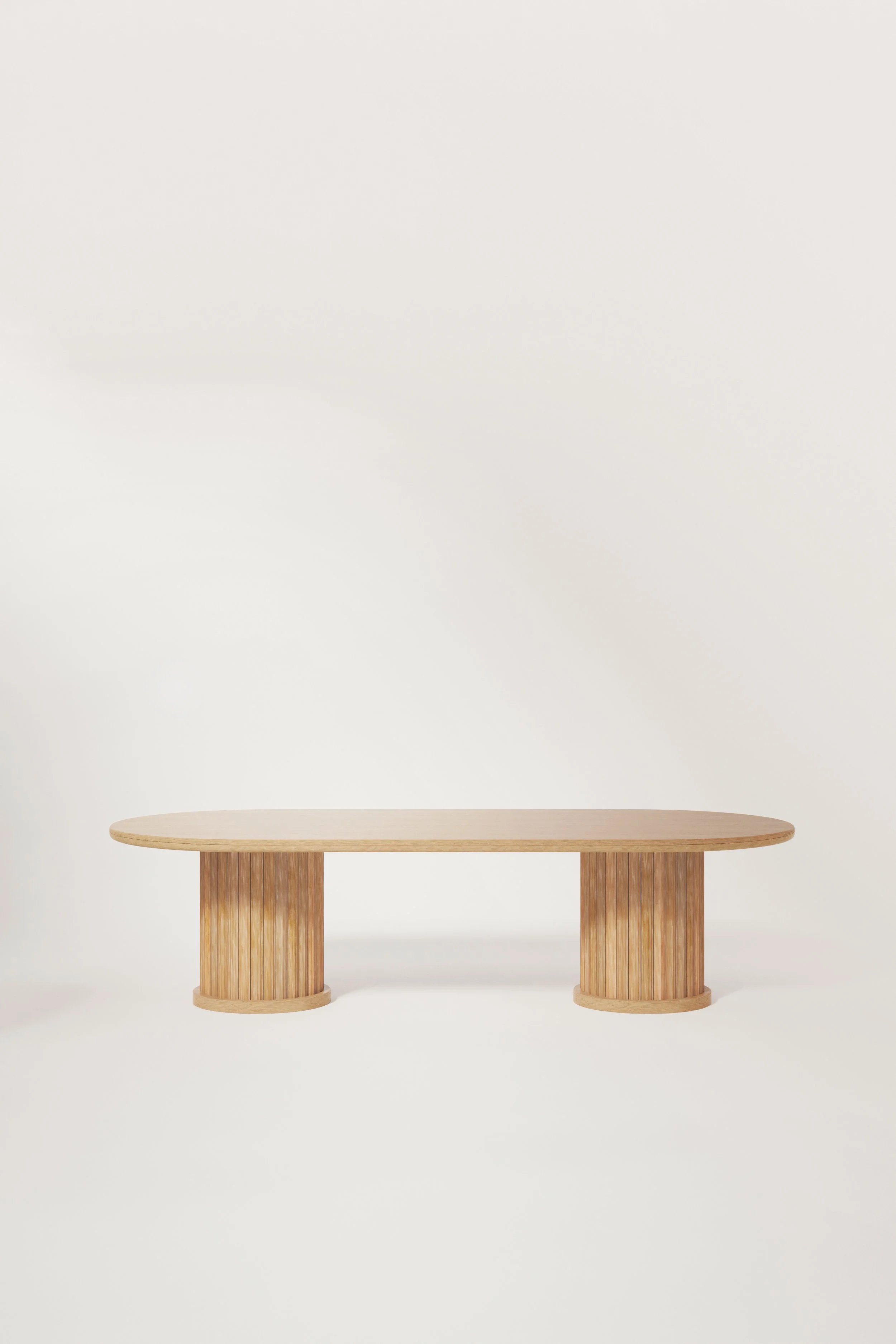
Long table in Kitayama cedar and oak. Each piece is signed.
-
Dimensions: Length 290 cm/114.2 in, width 130 cm /51.2 in, height 75 cm/29.5 in.
All pieces are made to order, and can be customized.
Materials: feet in natural or stained Kitayama cedar. Top in natural or stained oak.
Lead time: approximately 16-18 weeks unless otherwise quoted
-
Kitayama cedar is typical of nothern Kyoto mountains forests. For 600 years, men have been controlling each tree’s growth in order to get very straight trunks without any knot. Logs have traditionally been used for building tea houses. Its naturally bumpy grain, hidden underneath its bark, is one of a kind.
Discovered during a travel in Japan, Kitayama cedar’s unique texture inspired them a furniture collection. Trunks are polished and cut in Kyoto, and sent to France. Each piece of furniture is handmade according to traditional cabinet making techniques.
-
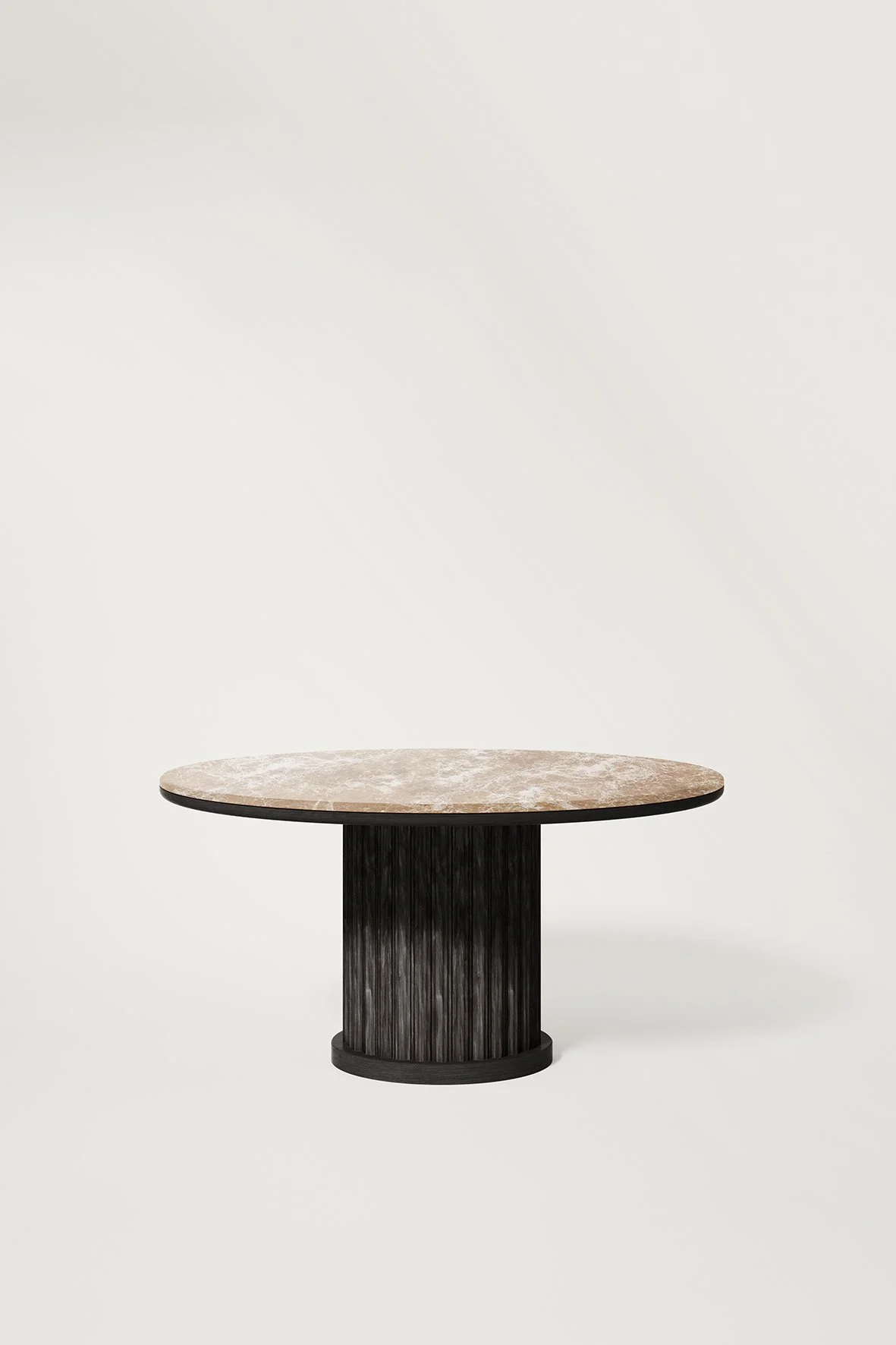
Round table in Kitayama cedar and stone. Each piece is signed.
-
Dimensions: diameter 150 cm/59 in, height 75 cm/29.5 in.
All pieces are made to order, and can be customized.
Materials: foot in natural or stained Kitayama cedar and oak. Top: upper stone top, lower top in natural or stained oak
Lead time: approximately 16-18 weeks unless otherwise quoted
-
Kitayama cedar is typical of nothern Kyoto mountains forests. For 600 years, men have been controlling each tree’s growth in order to get very straight trunks without any knot. Logs have traditionally been used for building tea houses. Its naturally bumpy grain, hidden underneath its bark, is one of a kind.
Discovered during a travel in Japan, Kitayama cedar’s unique texture inspired them a furniture collection. Trunks are polished and cut in Kyoto, and sent to France. Each piece of furniture is handmade according to traditional cabinet making techniques.
-
VIEW TEAR SHEET
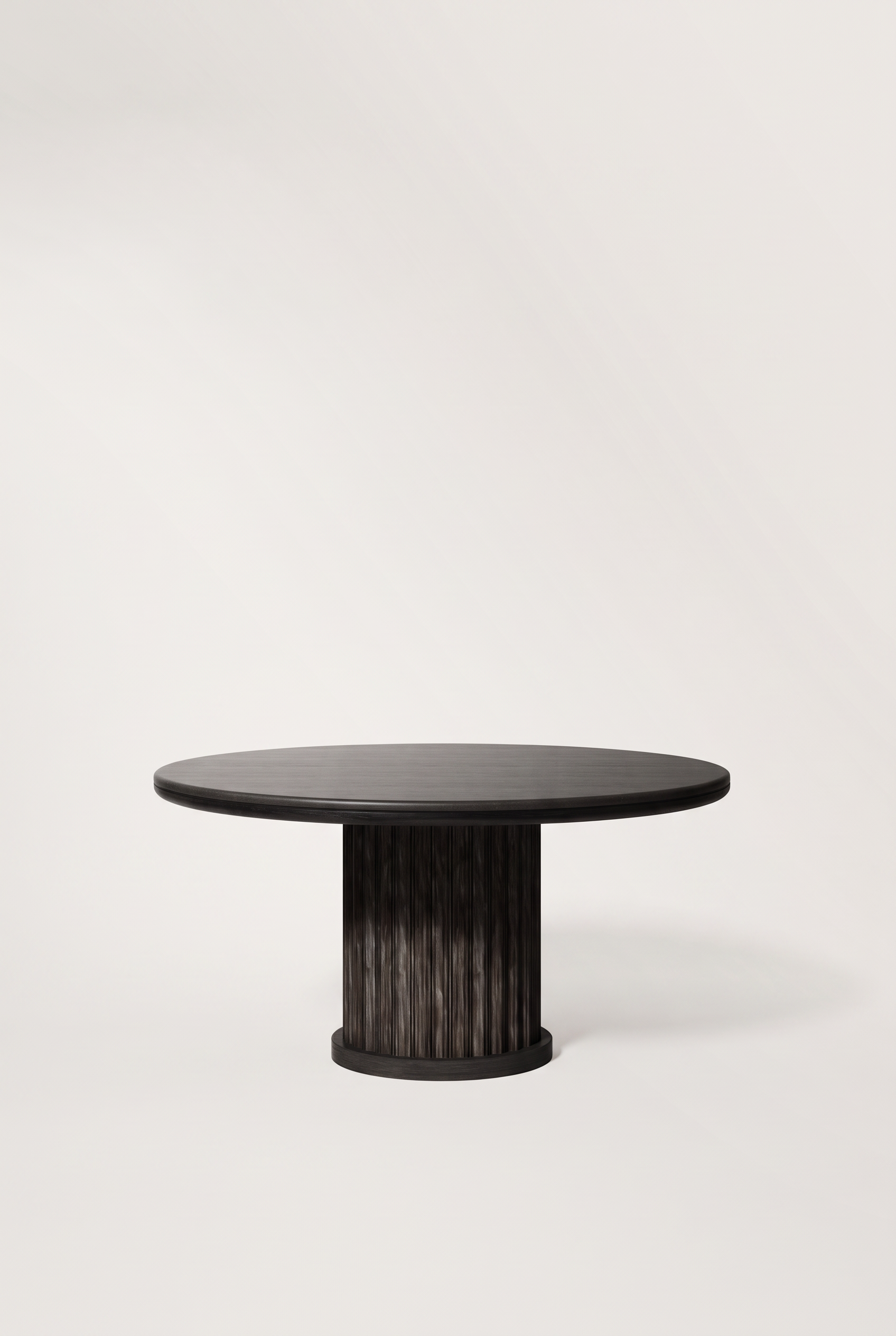
Round table in Kitayama cedar and oak. Each piece is signed.
-
Dimensions: Diameter 150 cm/59 in, height 75 cm/29.5 in.
All pieces are made to order, and can be customized.
Materials: feet in natural or stained Kitayama cedar. Top in natural or stained oak.
Lead time: approximately 16-18 weeks unless otherwise quoted
-
Kitayama cedar is typical of nothern Kyoto mountains forests. For 600 years, men have been controlling each tree’s growth in order to get very straight trunks without any knot. Logs have traditionally been used for building tea houses. Its naturally bumpy grain, hidden underneath its bark, is one of a kind.
Discovered during a travel in Japan, Kitayama cedar’s unique texture inspired them a furniture collection. Trunks are polished and cut in Kyoto, and sent to France. Each piece of furniture is handmade according to traditional cabinet making techniques.
-
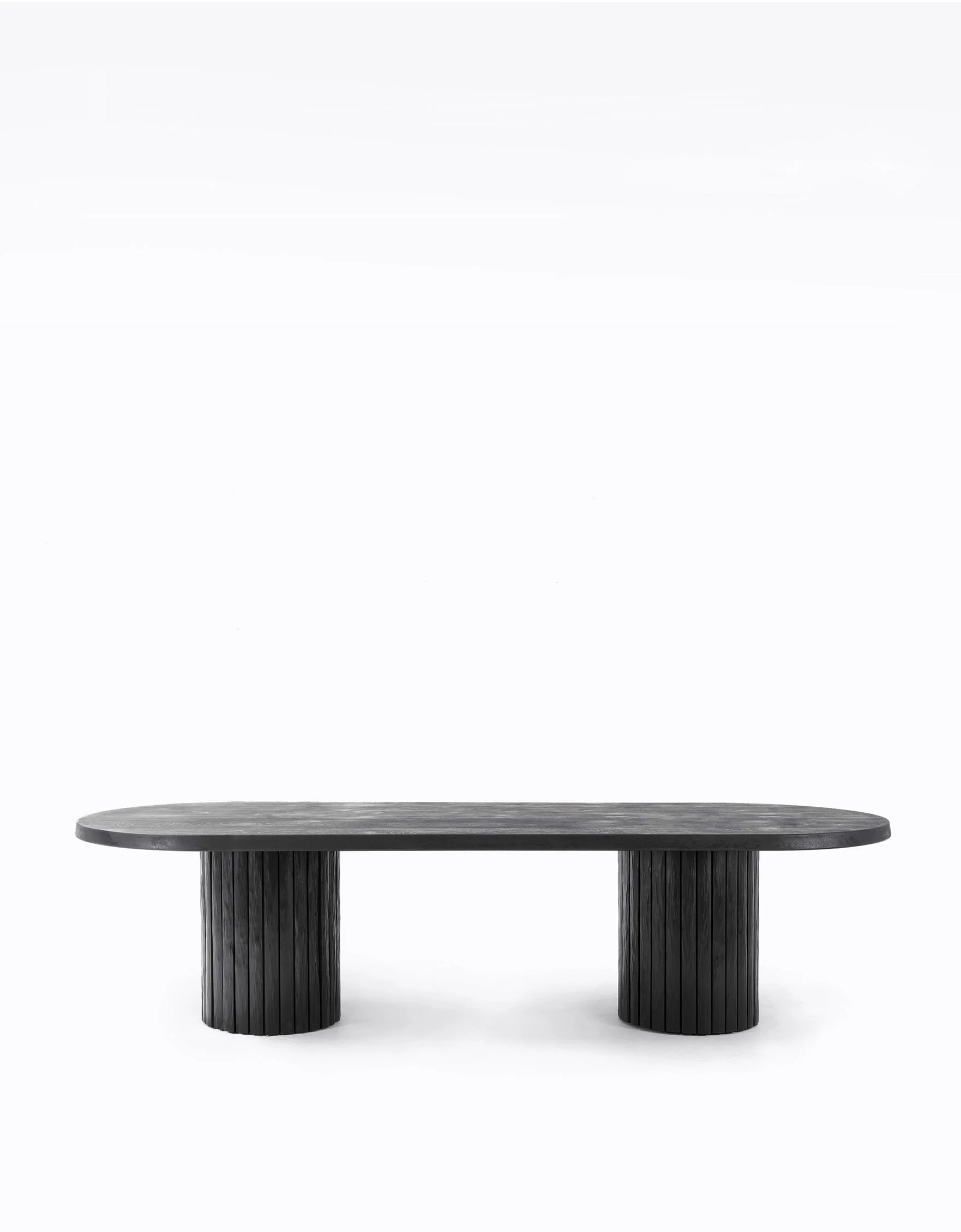
Long table in Kitayama cedar and oak. Each piece is signed.
-
Dimensions: length 290 cm/114.2 in, width 110 cm /43 in, height 74 cm/29.1 in.
All pieces are made to order, and can be customized.
Materials: feet in natural or stained Kitayama cedar. Top in natural or stained oak.
Lead time: approximately 16-18 weeks unless otherwise quoted
-
Kitayama cedar is typical of nothern Kyoto mountains forests. For 600 years, men have been controlling each tree’s growth in order to get very straight trunks without any knot. Logs have traditionally been used for building tea houses. Its naturally bumpy grain, hidden underneath its bark, is one of a kind.
Discovered during a travel in Japan, Kitayama cedar’s unique texture inspired them a furniture collection. Trunks are polished and cut in Kyoto, and sent to France. Each piece of furniture is handmade according to traditional cabinet making techniques.
-
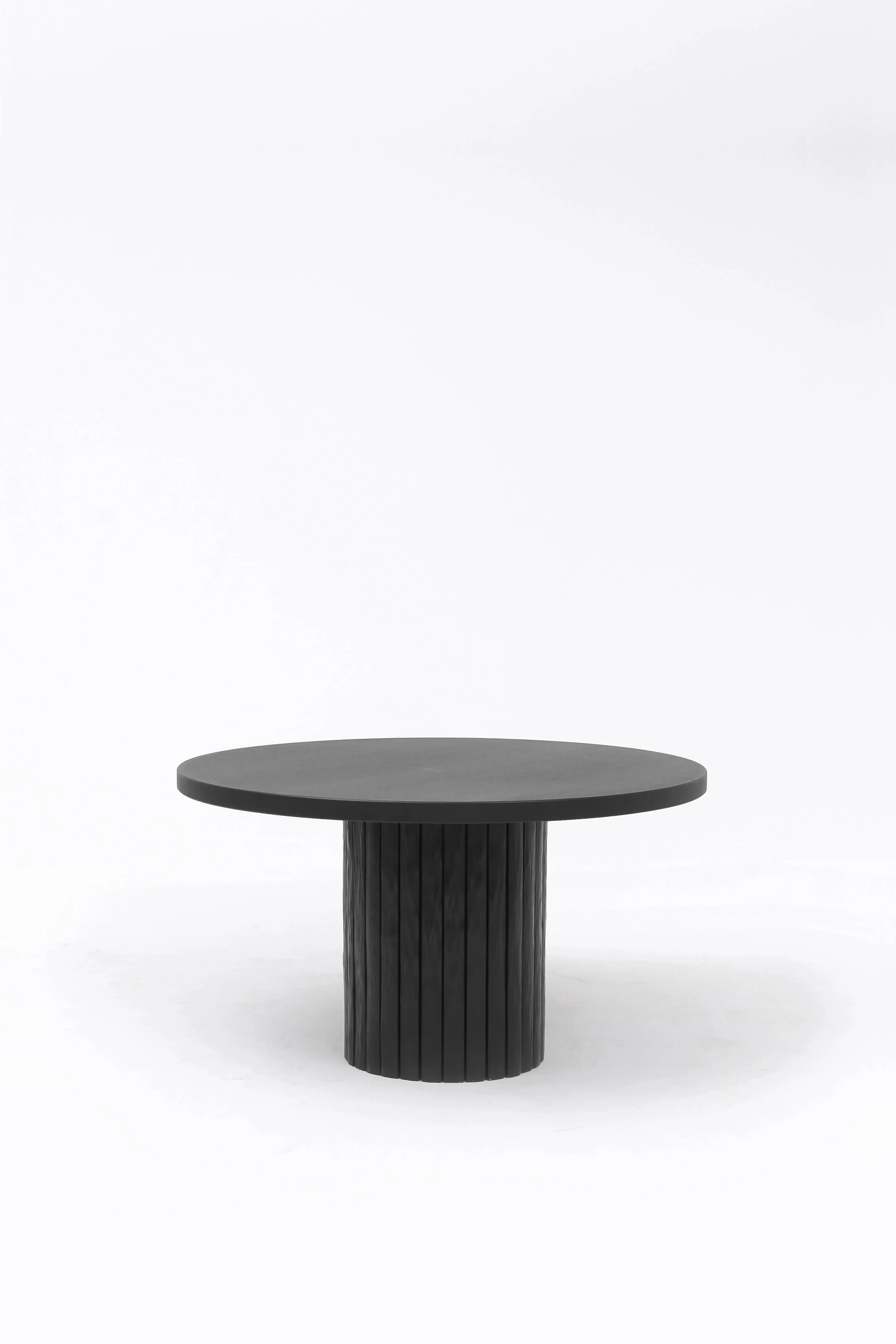
Round table in Kitayama cedar and oak or stone. Each piece is signed.
-
Dimensions: diameter 140 cm/55 in, height 74 cm/29.1 in.
All pieces are made to order, and can be customized.
Materials: foot in natural or stained Kitayama cedar. Top in stone or oak.
Lead time: approximately 16-18 weeks unless otherwise quoted
-
Kitayama cedar is typical of nothern Kyoto mountains forests. For 600 years, men have been controlling each tree’s growth in order to get very straight trunks without any knot. Logs have traditionally been used for building tea houses. Its naturally bumpy grain, hidden underneath its bark, is one of a kind.
Discovered during a travel in Japan, Kitayama cedar’s unique texture inspired them a furniture collection. Trunks are polished and cut in Kyoto, and sent to France. Each piece of furniture is handmade according to traditional cabinet making techniques.
-
OTHER TABLES
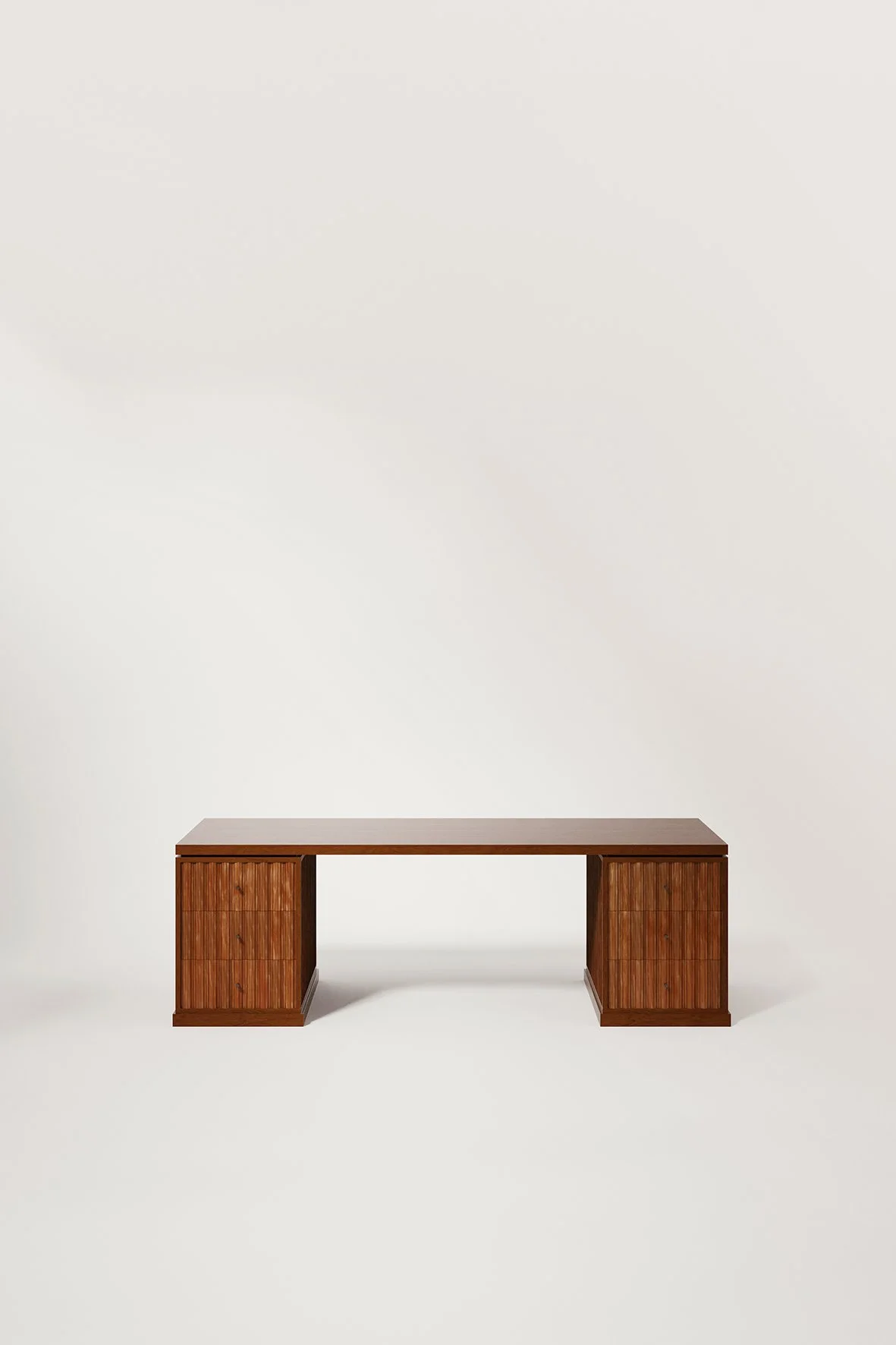
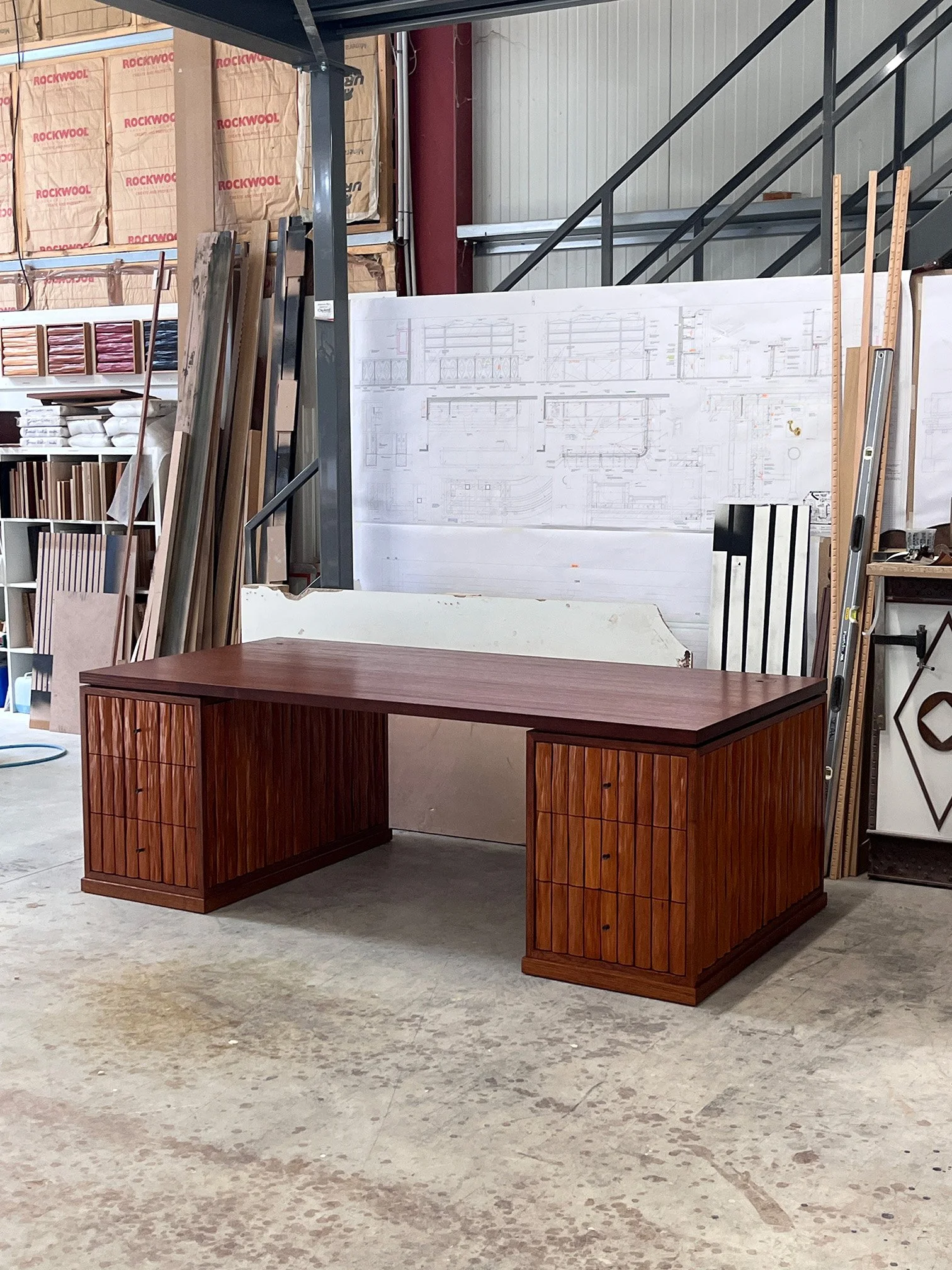
Desk in Kitayama cedar and oak. Each piece is signed.
-
Dimensions: width 222 cm/87.4 in, height 72 cm/28.3 in, depth 108 cm/42.5 in.
All pieces are made to order, and can be customized.
Materials: feet in natural or stained Kitayama cedar and oak. Top in oak. Knobs in patinated brass.
Lead time: approximately 16-18 weeks unless otherwise quoted
-
Kitayama cedar is typical of nothern Kyoto mountains forests. For 600 years, men have been controlling each tree’s growth in order to get very straight trunks without any knot. Logs have traditionally been used for building tea houses. Its naturally bumpy grain, hidden underneath its bark, is one of a kind.
Discovered during a travel in Japan, Kitayama cedar’s unique texture inspired them a furniture collection. Trunks are polished and cut in Kyoto, and sent to France. Each piece of furniture is handmade according to traditional cabinet making techniques.
-
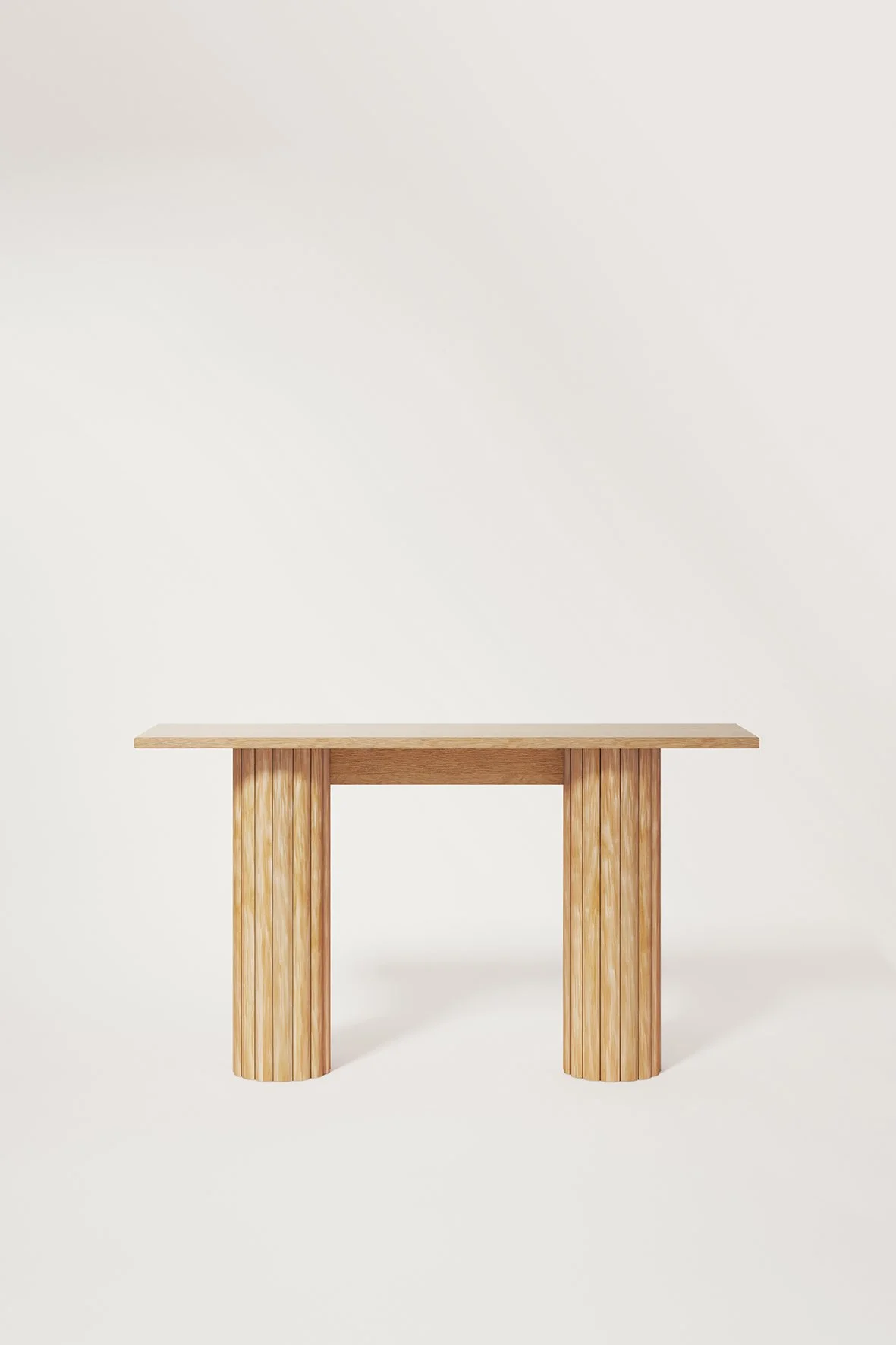
Console in Kitayama cedar and oak or stone. Each piece is signed.
-
Dimensions: width 165 cm/ 65 in, height 95 cm/ 37.5 in, depth 47cm/ 18.5 in.
All pieces are made to order, and can be customized.
Materials: feet in natural or stained Kitayama cedar. Top in stone or oak.
Lead time: approximately 16-18 weeks unless otherwise quoted
-
Kitayama cedar is typical of nothern Kyoto mountains forests. For 600 years, men have been controlling each tree’s growth in order to get very straight trunks without any knot. Logs have traditionally been used for building tea houses. Its naturally bumpy grain, hidden underneath its bark, is one of a kind.
Discovered during a travel in Japan, Kitayama cedar’s unique texture inspired them a furniture collection. Trunks are polished and cut in Kyoto, and sent to France. Each piece of furniture is handmade according to traditional cabinet making techniques.
-
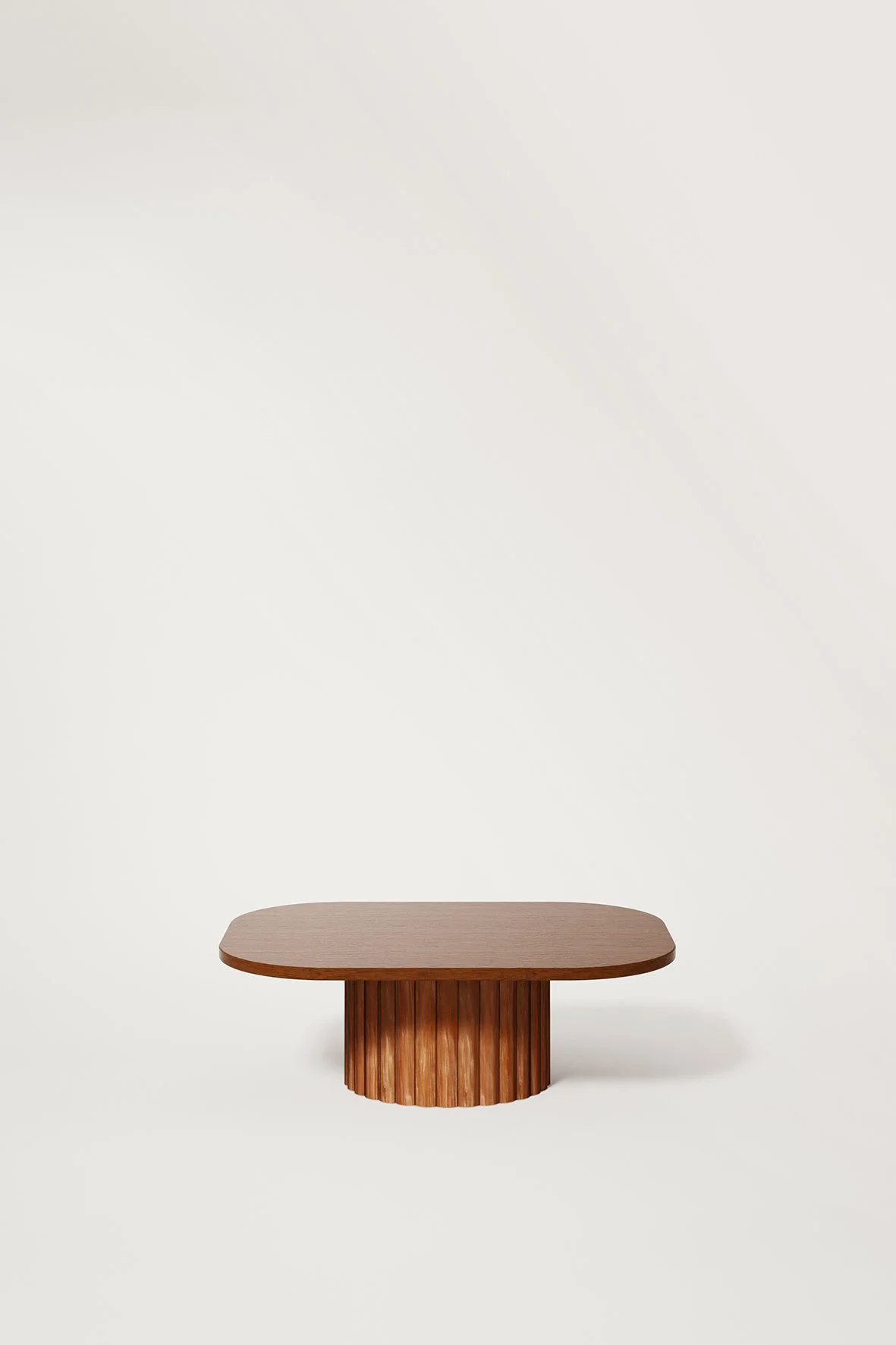
Coffee table in Kitayama cedar and oak or stone. Each piece is signed.
-
Dimensions: Width 115 cm/45.3 in, width 93 cm/36.6 in, height 38 cm/15 in.
All pieces are made to order, and can be customized.
Materials: foot in natural or stained Kitayama cedar. Top in stone or oak.
Lead time: approximately 16-18 weeks unless otherwise quoted
-
Kitayama cedar is typical of nothern Kyoto mountains forests. For 600 years, men have been controlling each tree’s growth in order to get very straight trunks without any knot. Logs have traditionally been used for building tea houses. Its naturally bumpy grain, hidden underneath its bark, is one of a kind.
Discovered during a travel in Japan, Kitayama cedar’s unique texture inspired them a furniture collection. Trunks are polished and cut in Kyoto, and sent to France. Each piece of furniture is handmade according to traditional cabinet making techniques.
-
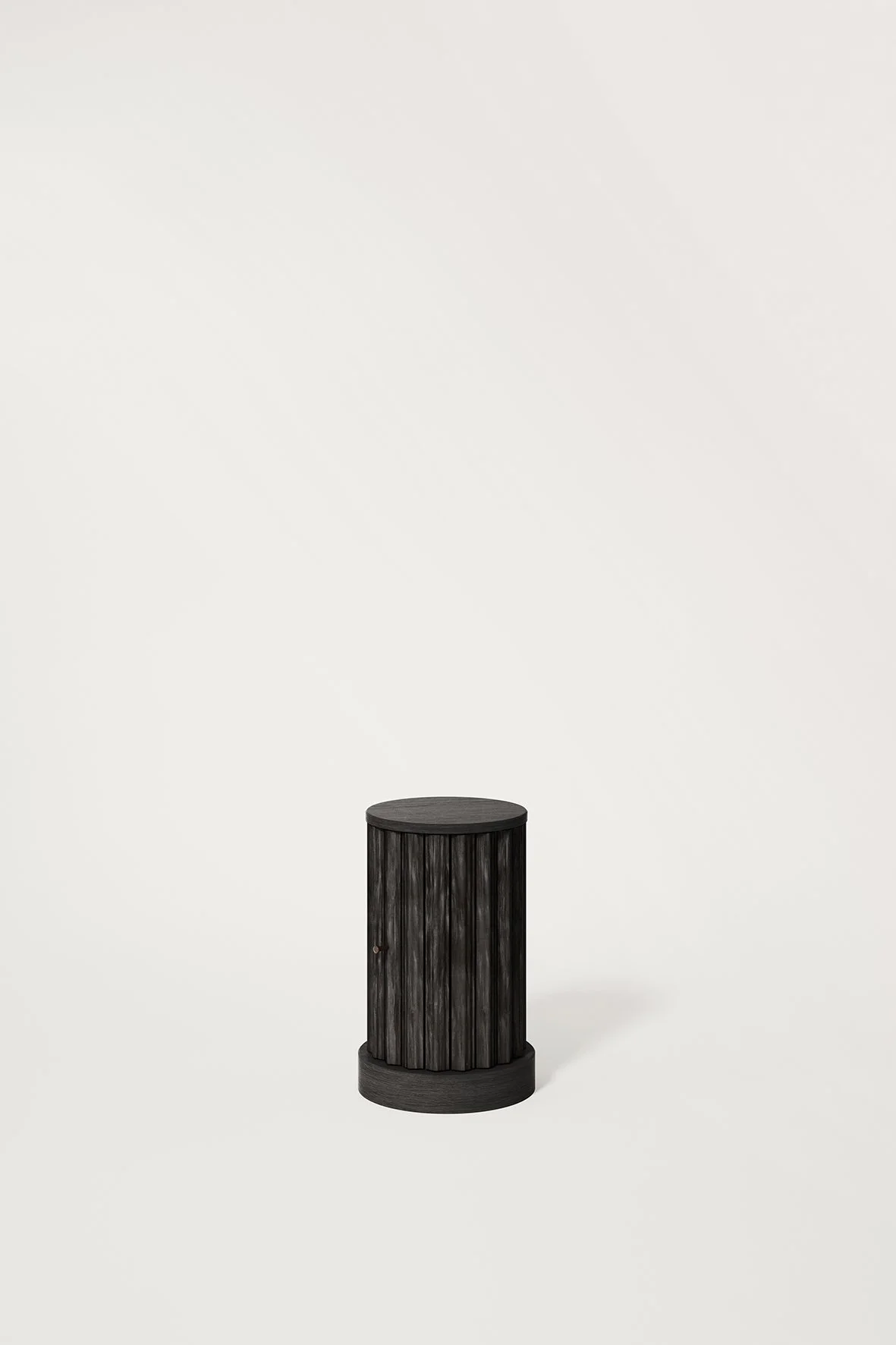
Bedside table in Kitayama cedar and oak. Each piece is signed.
-
Dimensions: diameter 39 cm/15.3 in, height 60 cm/23.6 in.
All pieces are made to order, and can be customized.
Materials: foot in natural or stained Kitayama cedar and oak. Top in oak. Knobs in patinated brass.
Lead time: approximately 16-18 weeks unless otherwise quoted
-
Kitayama cedar is typical of nothern Kyoto mountains forests. For 600 years, men have been controlling each tree’s growth in order to get very straight trunks without any knot. Logs have traditionally been used for building tea houses. Its naturally bumpy grain, hidden underneath its bark, is one of a kind.
Discovered during a travel in Japan, Kitayama cedar’s unique texture inspired them a furniture collection. Trunks are polished and cut in Kyoto, and sent to France. Each piece of furniture is handmade according to traditional cabinet making techniques.
-
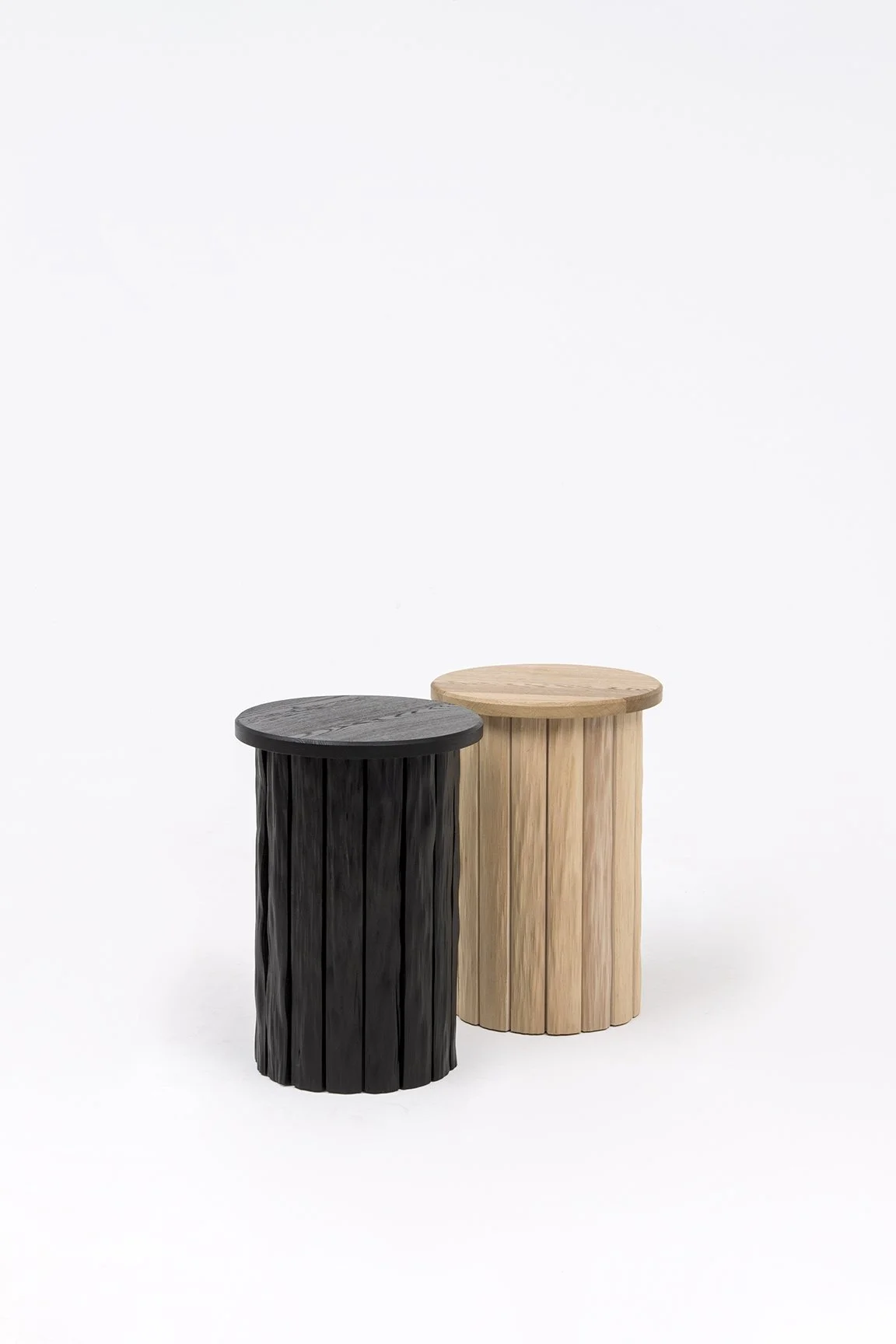
Side table in Kitayama cedar and oak or stone. Each piece is signed.
-
Dimensions: diameter 42 cm/16.5 in, height 61 cm/24 in.
All pieces are made to order, and can be customized.
Materials: foot in natural or stained Kitayama cedar. Top in stone or oak.
Lead time: approximately 16-18 weeks unless otherwise quoted
-
Kitayama cedar is typical of nothern Kyoto mountains forests. For 600 years, men have been controlling each tree’s growth in order to get very straight trunks without any knot. Logs have traditionally been used for building tea houses. Its naturally bumpy grain, hidden underneath its bark, is one of a kind.
Discovered during a travel in Japan, Kitayama cedar’s unique texture inspired them a furniture collection. Trunks are polished and cut in Kyoto, and sent to France. Each piece of furniture is handmade according to traditional cabinet making techniques.
-
STORAGE
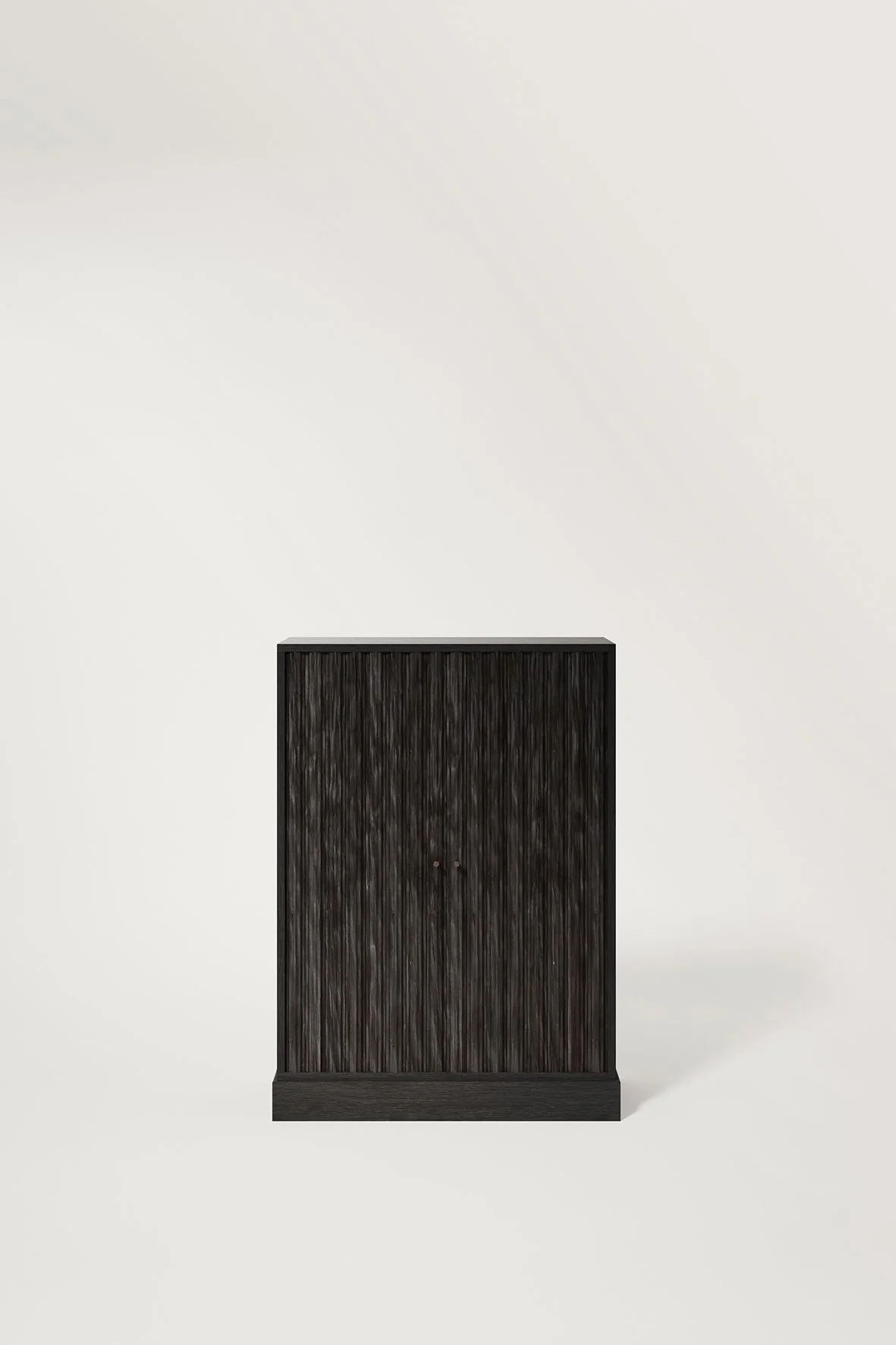
Cabinet in Kitayama cedar and oak. Each piece is signed.
-
Dimensions: Width 87,5 cm/34.4 in, height 120 cm/47.2 in, depth 47 cm/18.5 in.
All pieces are made to order, and can be customized.
Materials: natural or stained Kitayama cedar and oak. Knobs in patinated brass.
Lead time: approximately 16-18 weeks unless otherwise quoted
-
Kitayama cedar is typical of nothern Kyoto mountains forests. For 600 years, men have been controlling each tree’s growth in order to get very straight trunks without any knot. Logs have traditionally been used for building tea houses. Its naturally bumpy grain, hidden underneath its bark, is one of a kind.
Discovered during a travel in Japan, Kitayama cedar’s unique texture inspired them a furniture collection. Trunks are polished and cut in Kyoto, and sent to France. Each piece of furniture is handmade according to traditional cabinet making techniques.
-
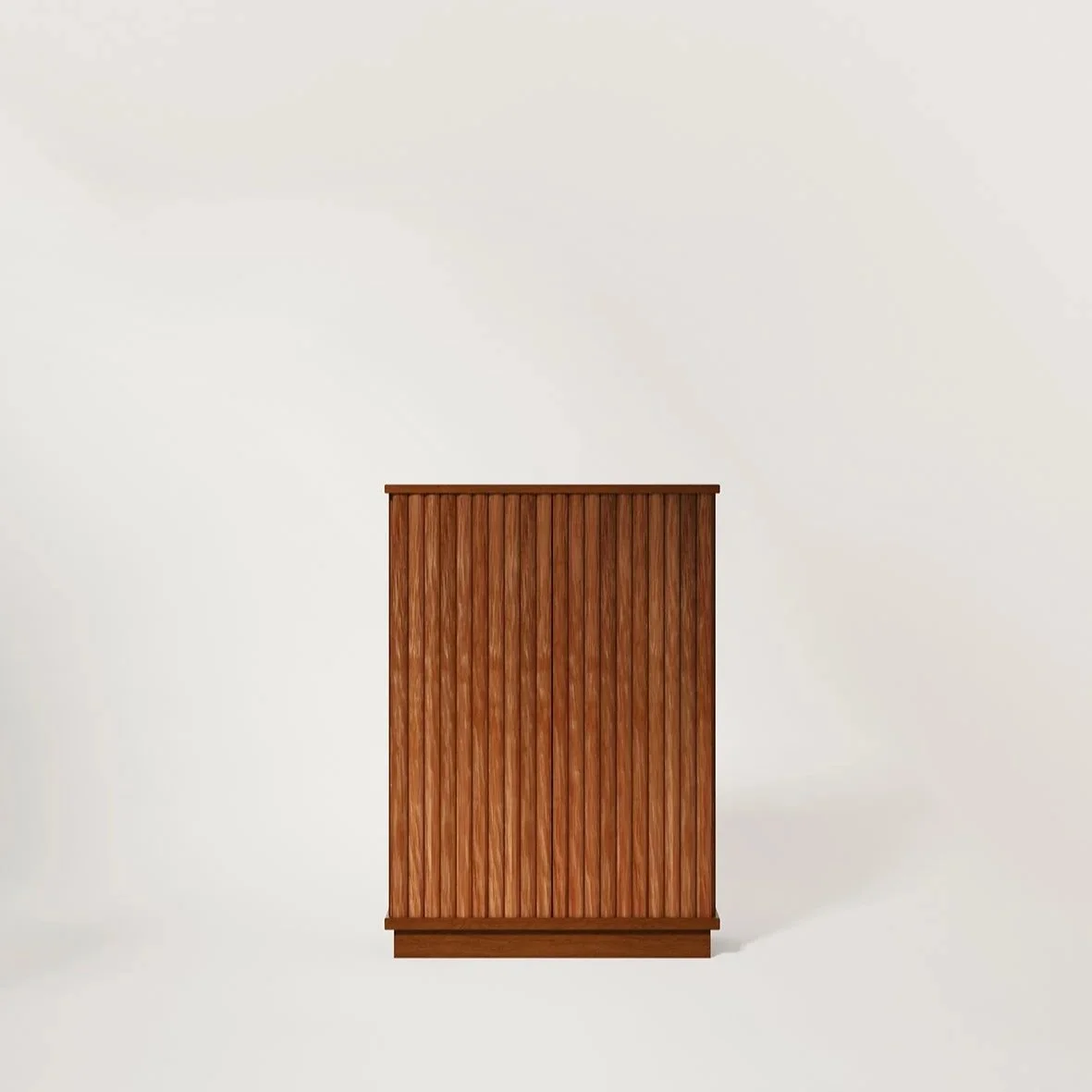
Low cupboard in Kitayama cedar and oak. Each piece is signed.
-
Dimensions: Width 115 cm/45 in, height 160 cm/63 in, depth 47 cm/18.5 in.
All pieces are made to order, and can be customized.
Materials: natural or stained Kitayama cedar and oak. Patinated brass handle.
Lead time: approximately 16-18 weeks unless otherwise quoted
-
Kitayama cedar is typical of nothern Kyoto mountains forests. For 600 years, men have been controlling each tree’s growth in order to get very straight trunks without any knot. Logs have traditionally been used for building tea houses. Its naturally bumpy grain, hidden underneath its bark, is one of a kind.
Discovered during a travel in Japan, Kitayama cedar’s unique texture inspired them a furniture collection. Trunks are polished and cut in Kyoto, and sent to France. Each piece of furniture is handmade according to traditional cabinet making techniques.
-
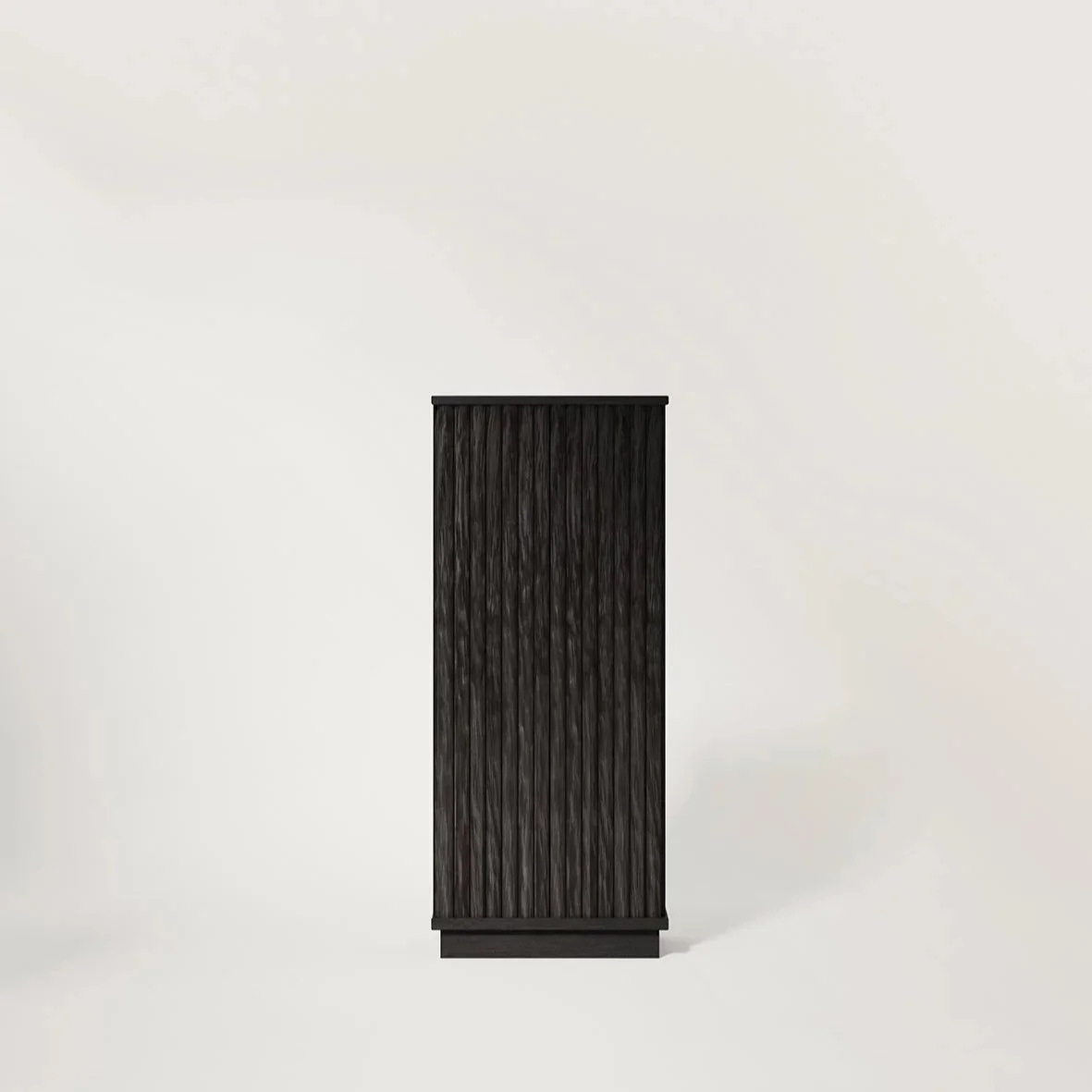
High cupboard in Kitayama cedar and oak. Each piece is signed.
-
Dimensions: width 80 cm/31.5 in, height 190 cm/75 in, depth 47 cm/18.5 in.
All pieces are made to order, and can be customized.
Materials: natural or stained Kitayama cedar and oak. Patinated brass handle.
Lead time: approximately 16-18 weeks unless otherwise quoted
-
Kitayama cedar is typical of nothern Kyoto mountains forests. For 600 years, men have been controlling each tree’s growth in order to get very straight trunks without any knot. Logs have traditionally been used for building tea houses. Its naturally bumpy grain, hidden underneath its bark, is one of a kind.
Discovered during a travel in Japan, Kitayama cedar’s unique texture inspired them a furniture collection. Trunks are polished and cut in Kyoto, and sent to France. Each piece of furniture is handmade according to traditional cabinet making techniques.
-
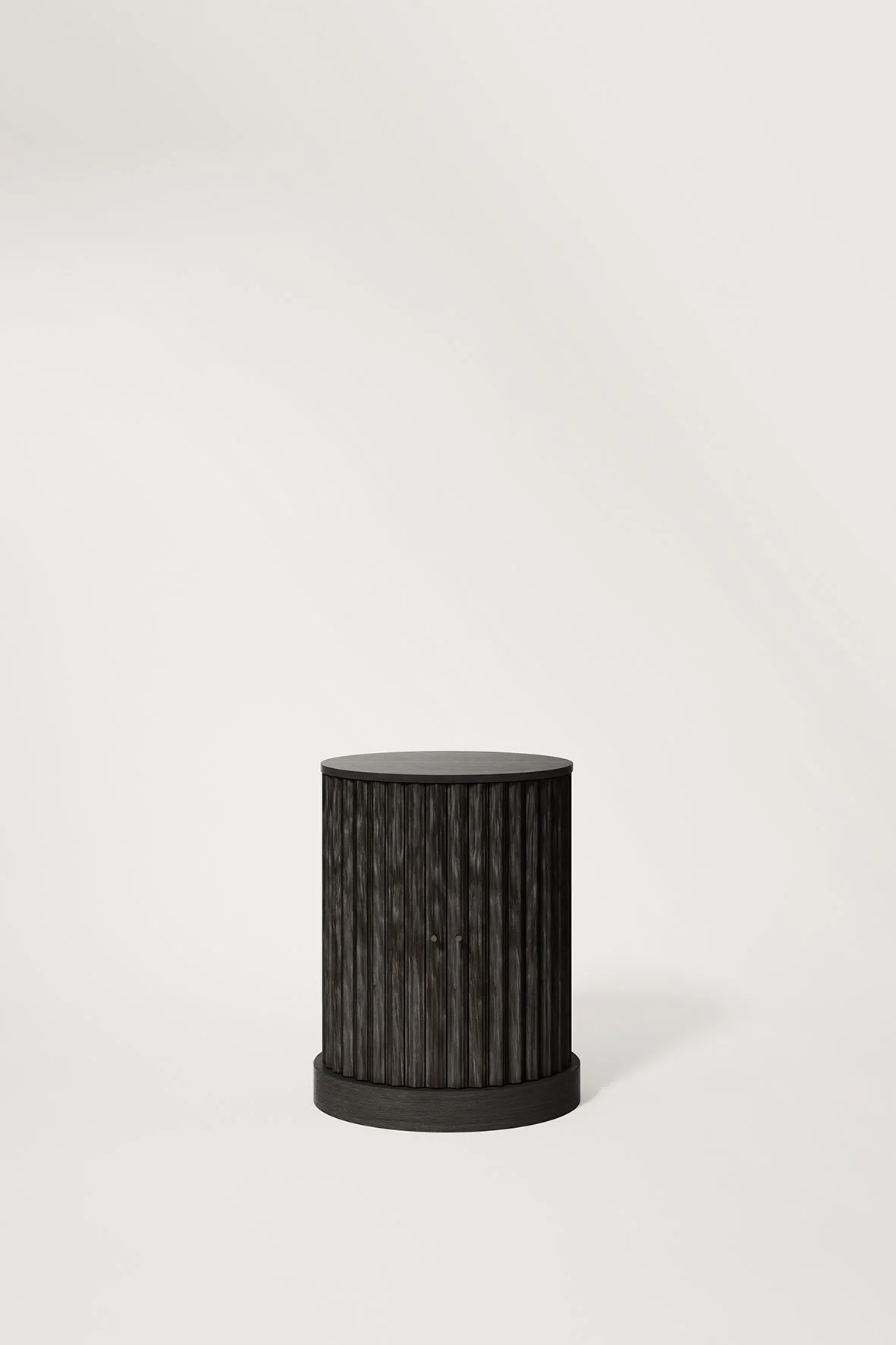
Large column in Kitayama cedar and oak. Each piece is signed.
-
Dimensions: Diameter 70 cm/27.6 in, height 88 cm/34.6 in.
All pieces are made to order, and can be customized.
Materials: natural or stained Kitayama cedar and oak. Knobs in patinated brass.
Lead time: approximately 16-18 weeks unless otherwise quoted
-
Kitayama cedar is typical of nothern Kyoto mountains forests. For 600 years, men have been controlling each tree’s growth in order to get very straight trunks without any knot. Logs have traditionally been used for building tea houses. Its naturally bumpy grain, hidden underneath its bark, is one of a kind.
Discovered during a travel in Japan, Kitayama cedar’s unique texture inspired them a furniture collection. Trunks are polished and cut in Kyoto, and sent to France. Each piece of furniture is handmade according to traditional cabinet making techniques.
-
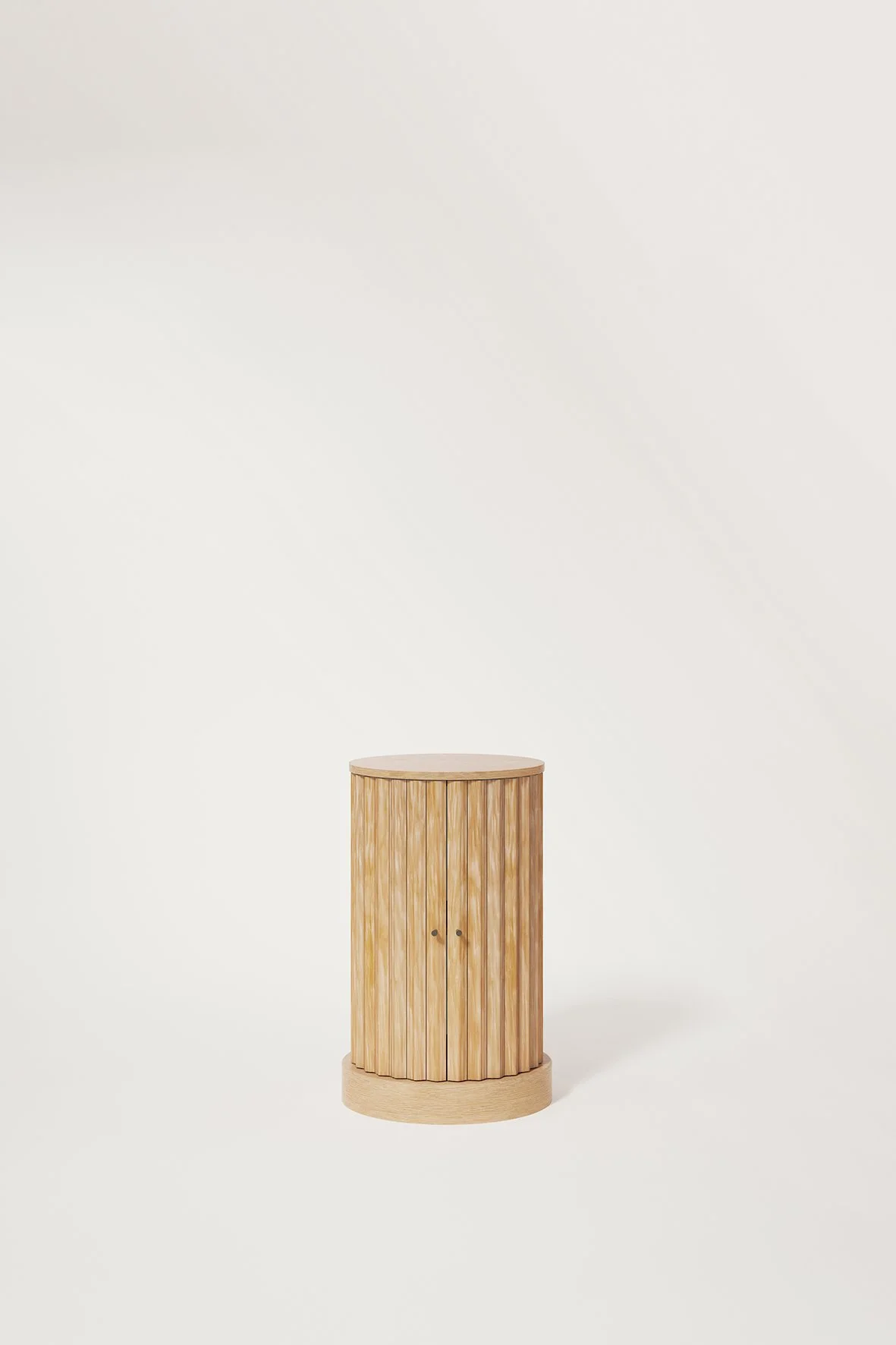
Low column in Kitayama cedar and oak. Each piece is signed.
-
Dimensions: Diameter 55 cm/21.6 in, height 88 cm/34.6 in.
All pieces are made to order, and can be customized.
Materials: natural or stained Kitayama cedar and oak. Knobs in patinated brass.
Lead time: approximately 16-18 weeks unless otherwise quoted
-
Kitayama cedar is typical of nothern Kyoto mountains forests. For 600 years, men have been controlling each tree’s growth in order to get very straight trunks without any knot. Logs have traditionally been used for building tea houses. Its naturally bumpy grain, hidden underneath its bark, is one of a kind.
Discovered during a travel in Japan, Kitayama cedar’s unique texture inspired them a furniture collection. Trunks are polished and cut in Kyoto, and sent to France. Each piece of furniture is handmade according to traditional cabinet making techniques.
-
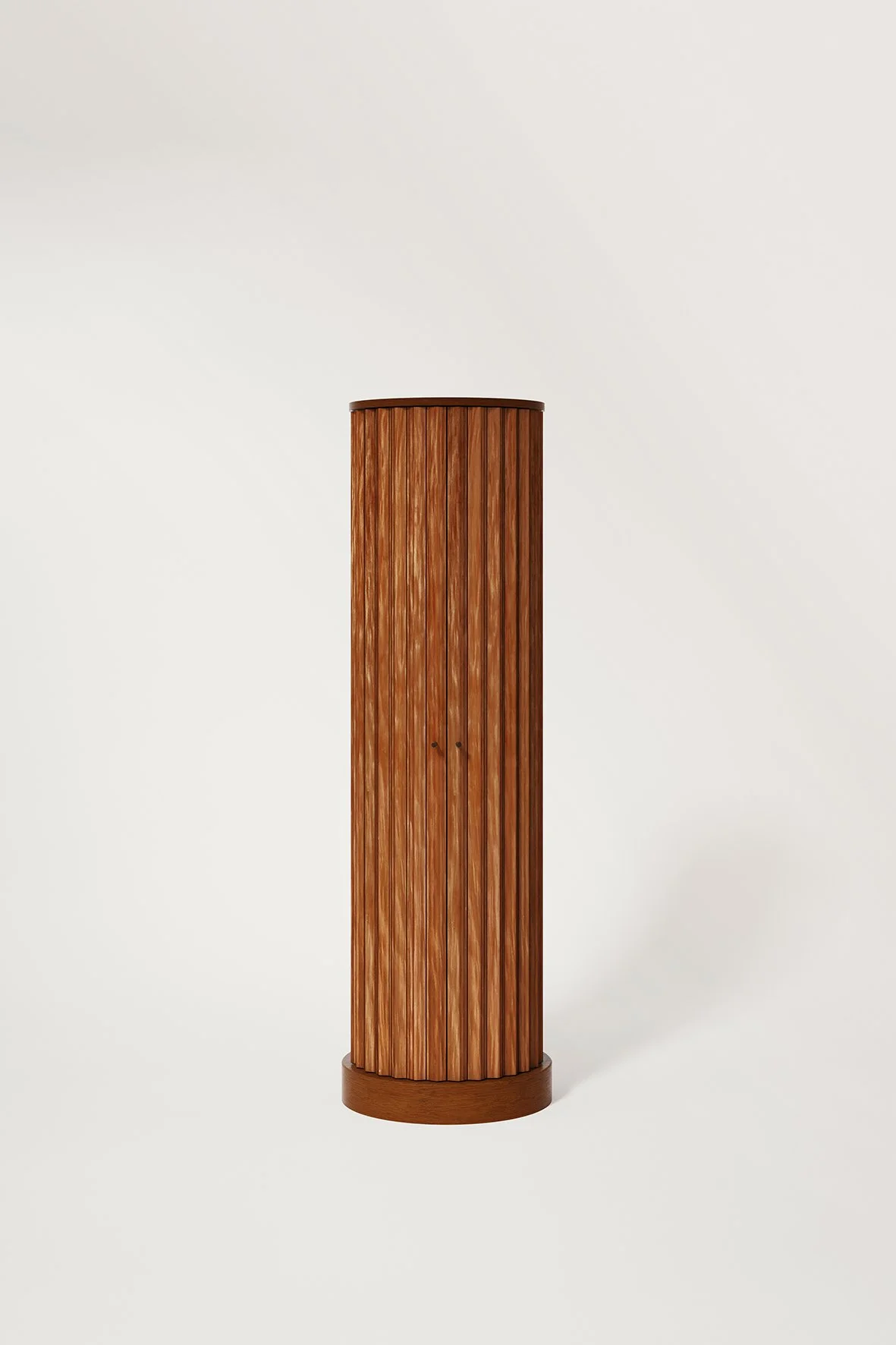
High column in Kitayama cedar and oak. Each piece is signed.
-
Dimensions: Diameter 55 cm/21.6 in, height 182 cm/71.7 in.
All pieces are made to order, and can be customized.
Materials: natural or stained Kitayama cedar and oak. Knobs in patinated brass.
Lead time: approximately 16-18 weeks unless otherwise quoted
-
Kitayama cedar is typical of nothern Kyoto mountains forests. For 600 years, men have been controlling each tree’s growth in order to get very straight trunks without any knot. Logs have traditionally been used for building tea houses. Its naturally bumpy grain, hidden underneath its bark, is one of a kind.
Discovered during a travel in Japan, Kitayama cedar’s unique texture inspired them a furniture collection. Trunks are polished and cut in Kyoto, and sent to France. Each piece of furniture is handmade according to traditional cabinet making techniques.
-
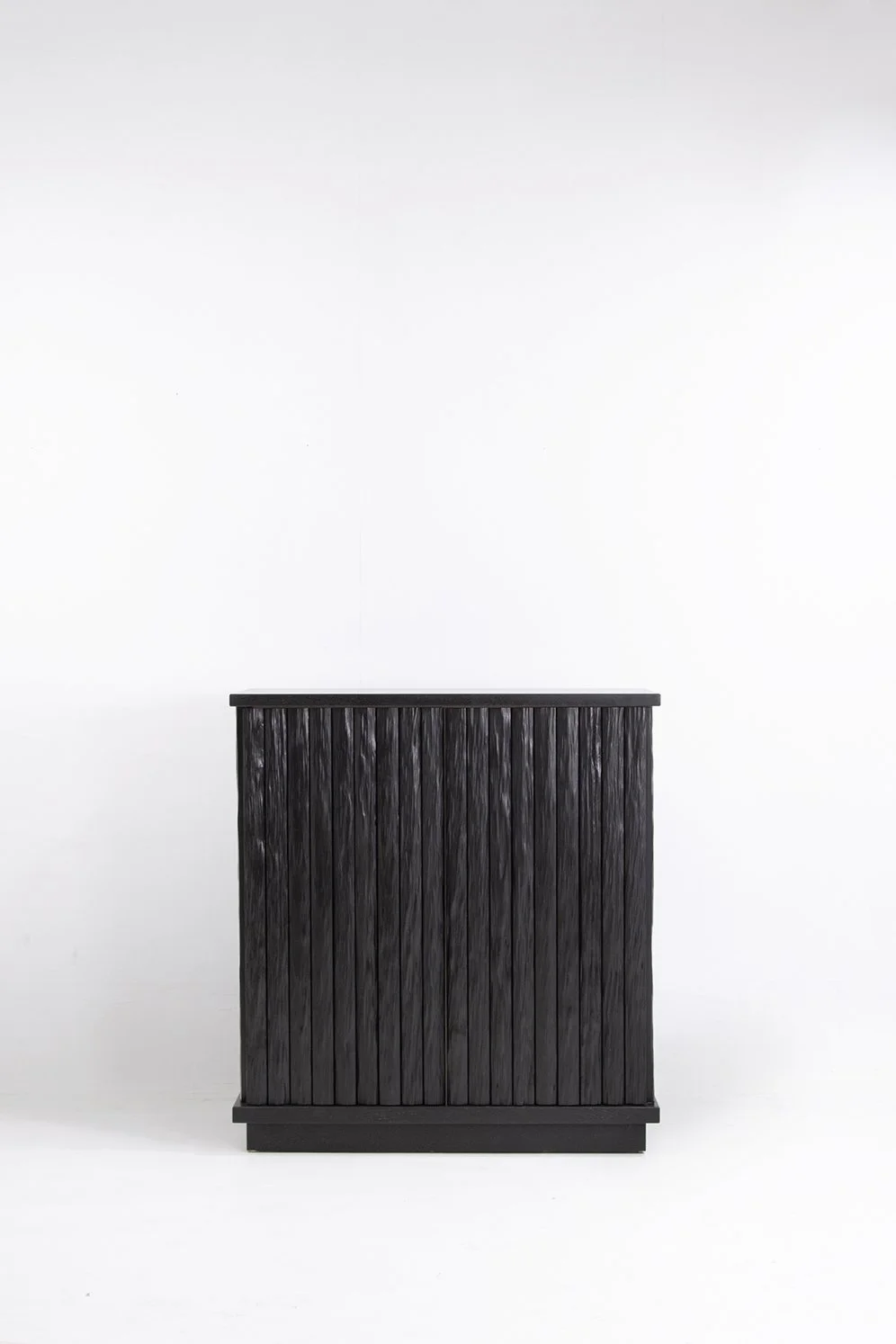
Sideboard in Kitayama cedar and oak. Each piece is signed.
-
Dimensions: width 80 cm/31.5 in, height 190 cm/75 in, depth 47 cm/18.5 in.
All pieces are made to order, and can be customized.
Materials: natural or stained Kitayama cedar and oak. Patinated brass handle.
Lead time: approximately 16-18 weeks unless otherwise quoted
-
Kitayama cedar is typical of nothern Kyoto mountains forests. For 600 years, men have been controlling each tree’s growth in order to get very straight trunks without any knot. Logs have traditionally been used for building tea houses. Its naturally bumpy grain, hidden underneath its bark, is one of a kind.
Discovered during a travel in Japan, Kitayama cedar’s unique texture inspired them a furniture collection. Trunks are polished and cut in Kyoto, and sent to France. Each piece of furniture is handmade according to traditional cabinet making techniques.
-
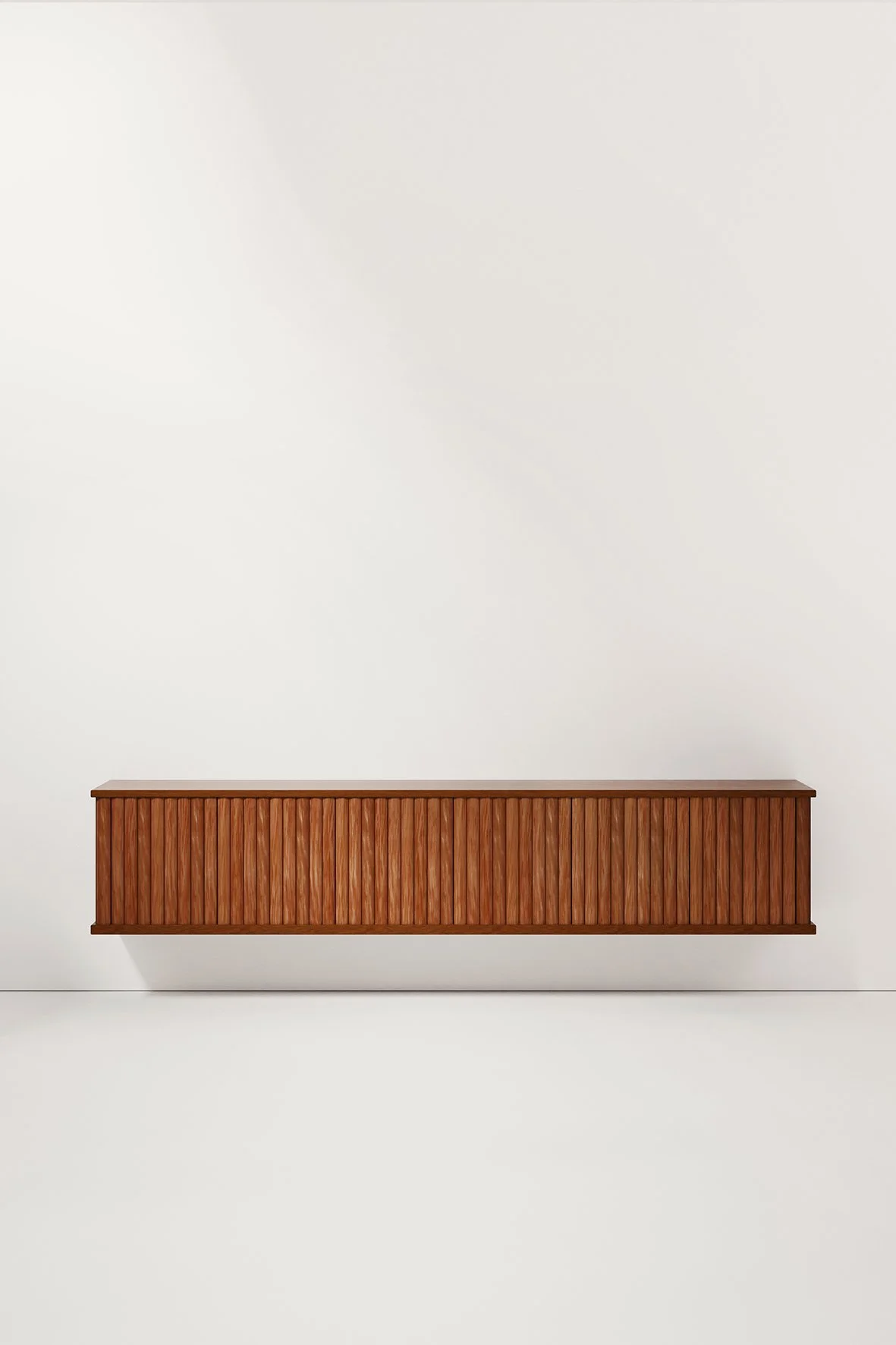
6 doors hanging sideboard in Kitayama cedar and oak. Each piece is signed.
-
Dimensions: width 295 cm/116 in, height 60 cm/24 in, depth 52 cm/ 20.5 in.
All pieces are made to order, and can be customized.
Materials: natural or stained Kitayama cedar and oak. Patinated brass handles.
Lead time: approximately 16-18 weeks unless otherwise quoted
-
Kitayama cedar is typical of nothern Kyoto mountains forests. For 600 years, men have been controlling each tree’s growth in order to get very straight trunks without any knot. Logs have traditionally been used for building tea houses. Its naturally bumpy grain, hidden underneath its bark, is one of a kind.
Discovered during a travel in Japan, Kitayama cedar’s unique texture inspired them a furniture collection. Trunks are polished and cut in Kyoto, and sent to France. Each piece of furniture is handmade according to traditional cabinet making techniques.
-
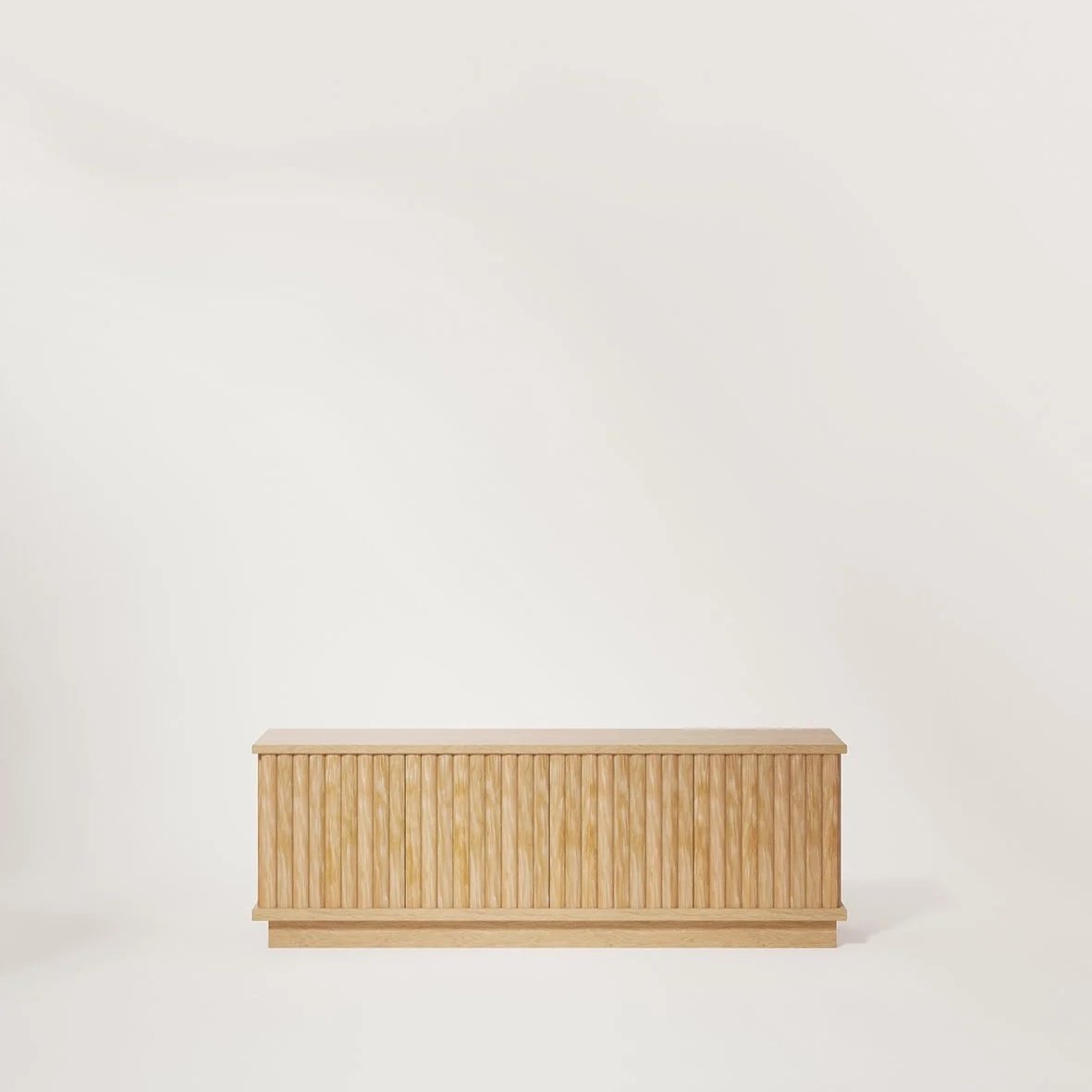
4 doors low sideboard in Kitayama cedar and oak. Each piece is signed.
-
Dimensions: Width 200 cm/79 in, height 70 cm/27.5 in, depth 52 cm/20.5 in.
All pieces are made to order, and can be customized.
Materials: natural or stained Kitayama cedar and oak. Patinated brass handles.
Lead time: approximately 16-18 weeks unless otherwise quoted
-
Kitayama cedar is typical of nothern Kyoto mountains forests. For 600 years, men have been controlling each tree’s growth in order to get very straight trunks without any knot. Logs have traditionally been used for building tea houses. Its naturally bumpy grain, hidden underneath its bark, is one of a kind.
Discovered during a travel in Japan, Kitayama cedar’s unique texture inspired them a furniture collection. Trunks are polished and cut in Kyoto, and sent to France. Each piece of furniture is handmade according to traditional cabinet making techniques.
-
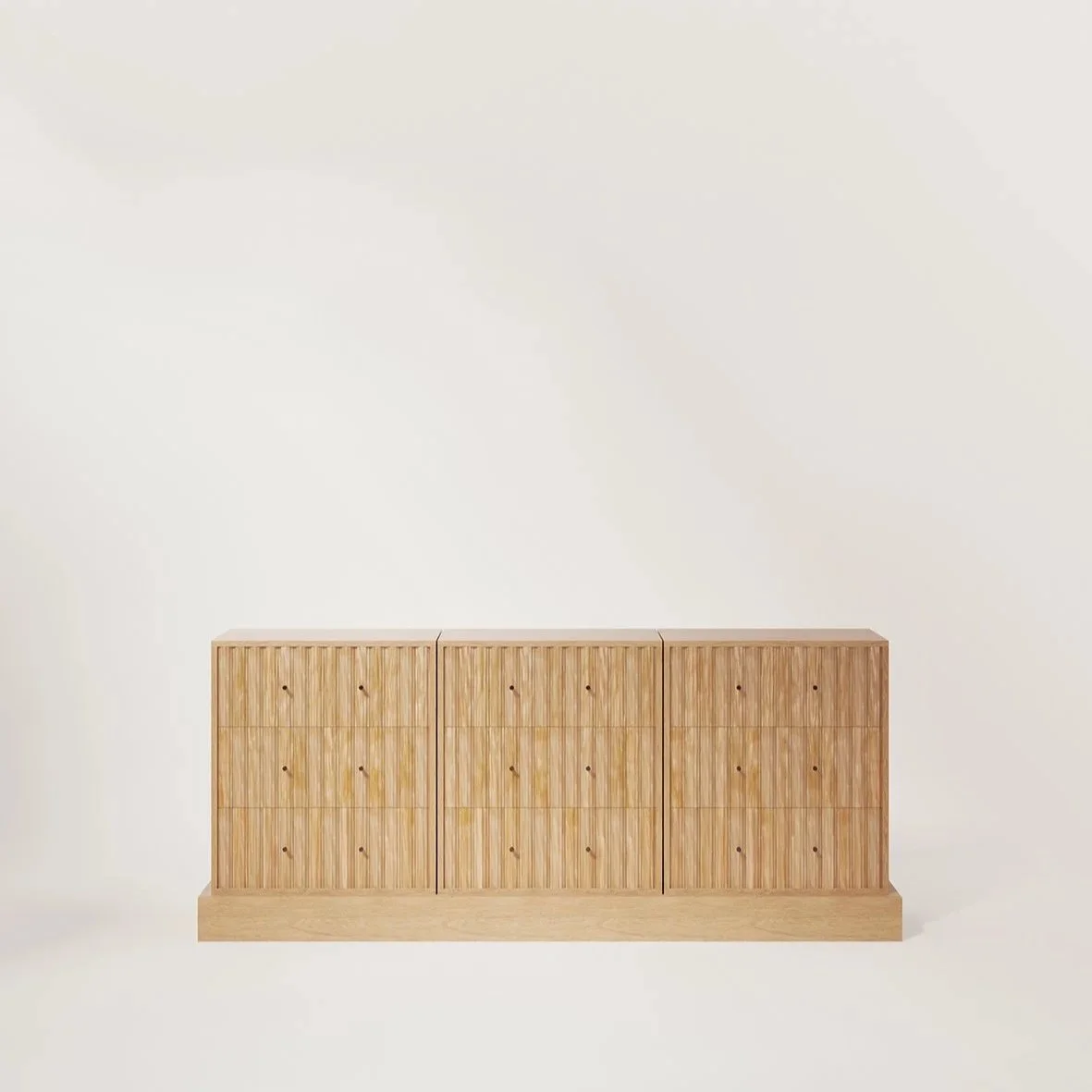
9 drawers sideboard in Kitayama cedar and oak. Each piece is signed.
-
Dimensions: Width 235 cm/92.5 in, height 100 cm/39.4 in, depth 63 cm/24.8 in.
All pieces are made to order, and can be customized.
Materials: natural or stained Kitayama cedar and oak. Knobs in patinated brass.
Lead time: approximately 16-18 weeks unless otherwise quoted
-
Kitayama cedar is typical of nothern Kyoto mountains forests. For 600 years, men have been controlling each tree’s growth in order to get very straight trunks without any knot. Logs have traditionally been used for building tea houses. Its naturally bumpy grain, hidden underneath its bark, is one of a kind.
Discovered during a travel in Japan, Kitayama cedar’s unique texture inspired them a furniture collection. Trunks are polished and cut in Kyoto, and sent to France. Each piece of furniture is handmade according to traditional cabinet making techniques.
-
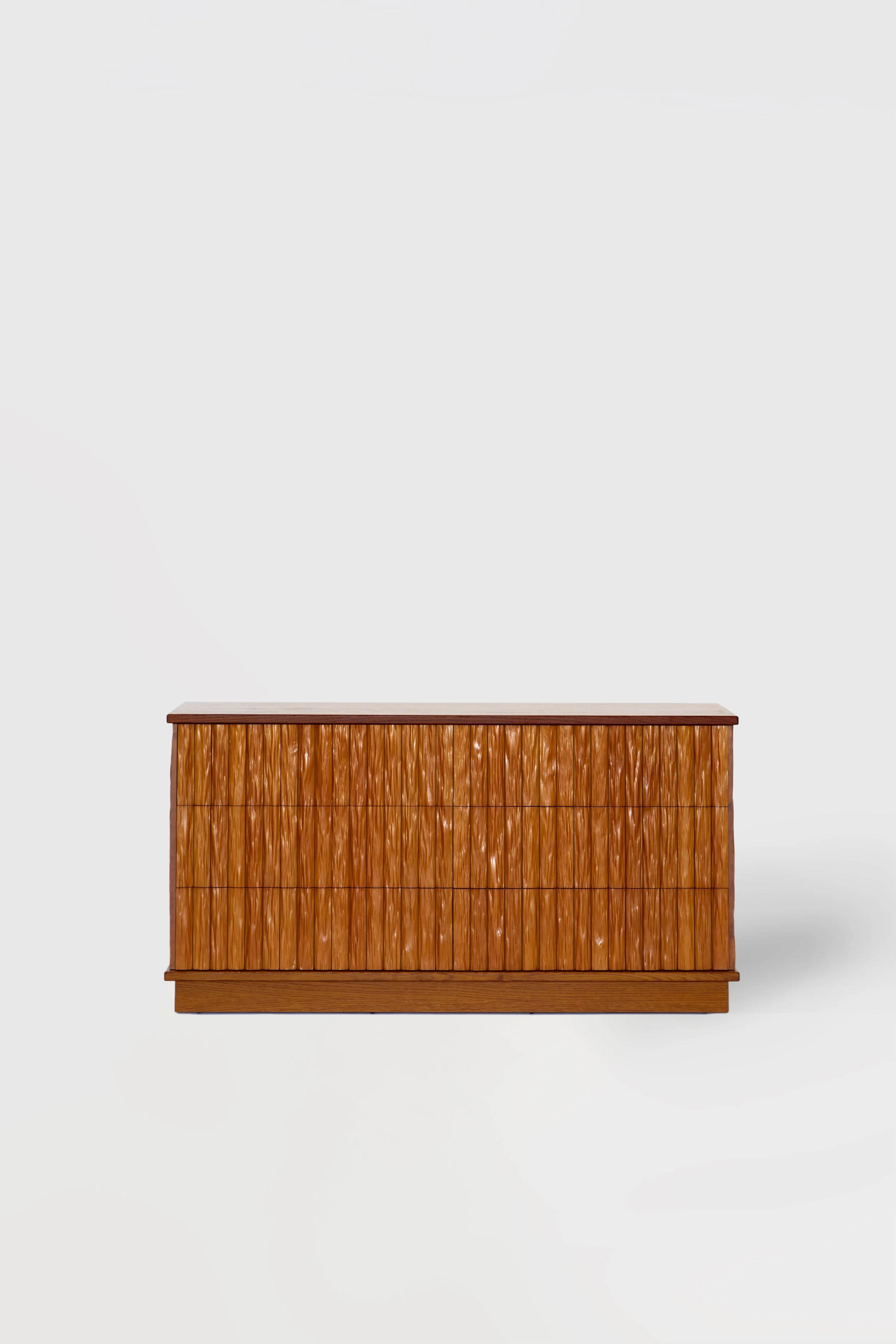
Six drawers dresser in Kitayama cedar and oak. Each piece is signed.
-
Dimensions: width 167 cm/66 in, height 88 cm/35 in, depth 52 cm/20.5 in.
All pieces are made to order, and can be customized.
Materials: natural or stained Kitayama cedar and oak.
Lead time: approximately 16-18 weeks unless otherwise quoted
-
Kitayama cedar is typical of nothern Kyoto mountains forests. For 600 years, men have been controlling each tree’s growth in order to get very straight trunks without any knot. Logs have traditionally been used for building tea houses. Its naturally bumpy grain, hidden underneath its bark, is one of a kind.
Discovered during a travel in Japan, Kitayama cedar’s unique texture inspired them a furniture collection. Trunks are polished and cut in Kyoto, and sent to France. Each piece of furniture is handmade according to traditional cabinet making techniques.
-
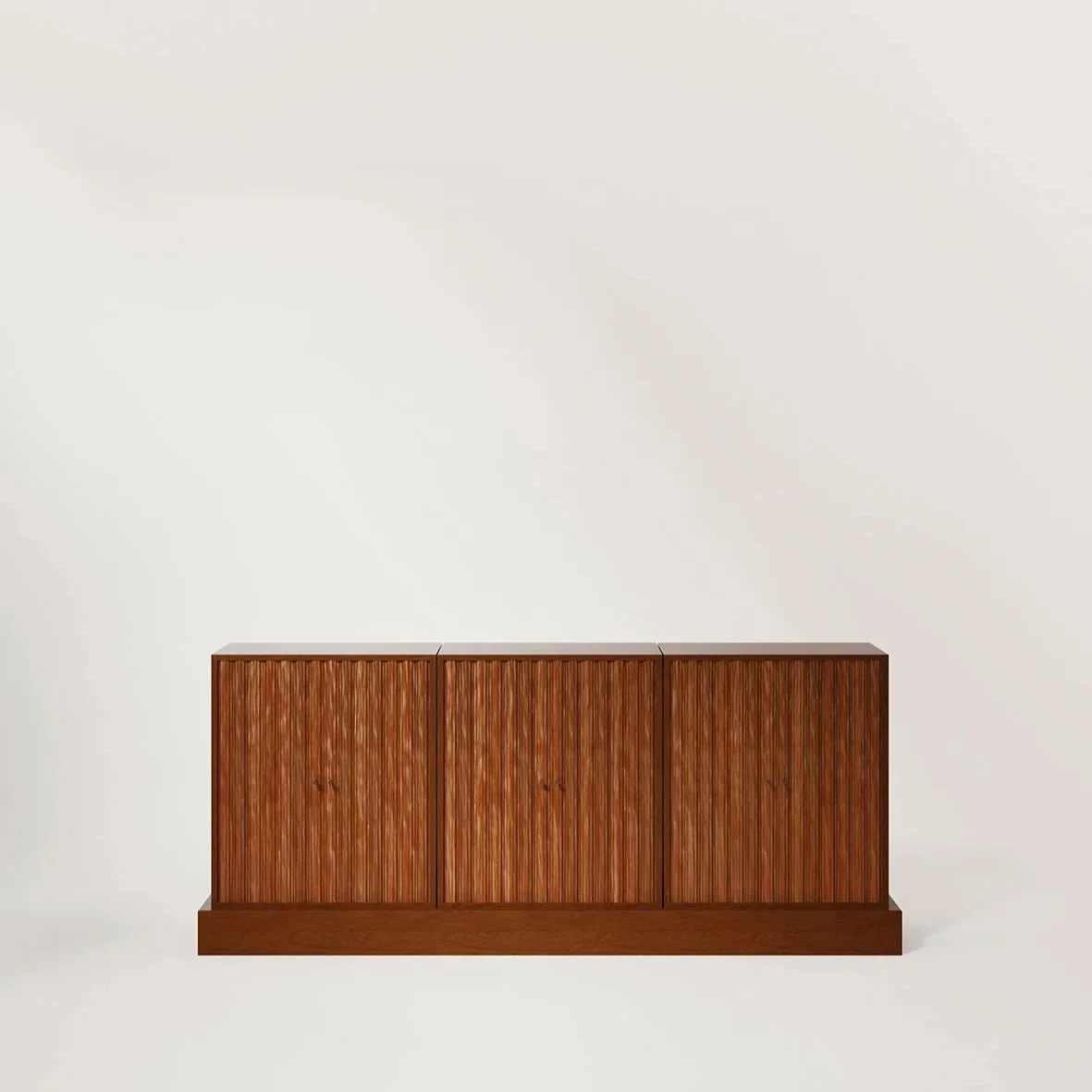
6 doors sideboard in Kitayama cedar and oak. Each piece is signed.
-
Dimensions: Width 235 cm/92.5 in, height 100 cm/39.4 in, depth 63 cm/24.8 in.
All pieces are made to order, and can be customized.
Materials: natural or stained Kitayama cedar and oak. Knobs in patinated brass.
Lead time: approximately 16-18 weeks unless otherwise quoted
-
Kitayama cedar is typical of nothern Kyoto mountains forests. For 600 years, men have been controlling each tree’s growth in order to get very straight trunks without any knot. Logs have traditionally been used for building tea houses. Its naturally bumpy grain, hidden underneath its bark, is one of a kind.
Discovered during a travel in Japan, Kitayama cedar’s unique texture inspired them a furniture collection. Trunks are polished and cut in Kyoto, and sent to France. Each piece of furniture is handmade according to traditional cabinet making techniques.
-
KAMI KITAYAMA
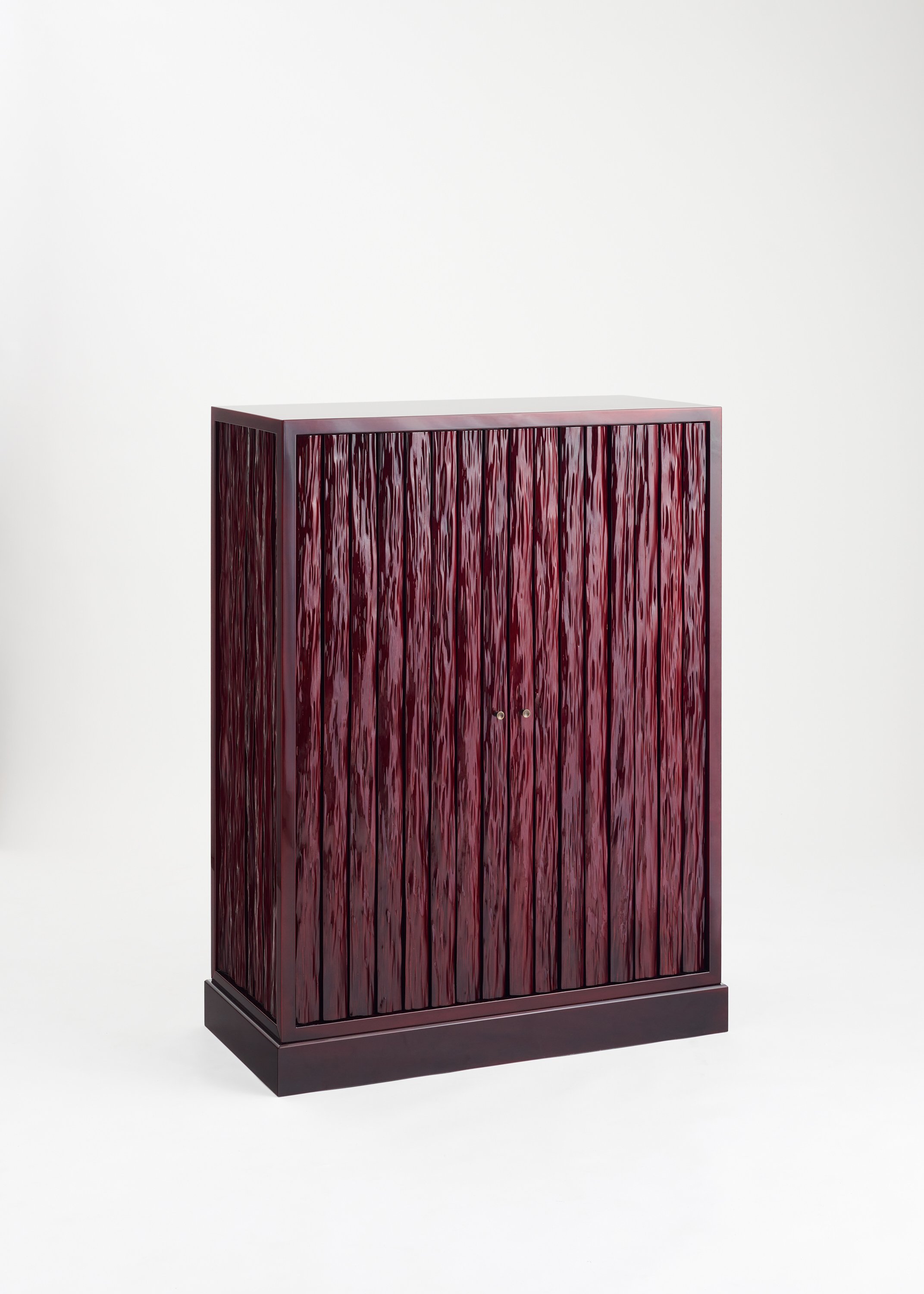
Cabinet in Kitayama cedar and Japanese urushi lacquer. Each piece is signed.
-
Dimensions: width 89 cm/35 in, depth 43 cm/17 in, height 120 cm/47.2 in
All pieces are made to order, and can be customized.
Materials: Kitayama cedar and wood covered with Japanese urushi lacquer.
Lead time: approximately 20-22 weeks unless otherwise quoted
-
The KAMI collection explores the Japanese urushi lacquer technique in a series of furniture pieces - tables, consoles, cabinets - and lighting fixtures. Obtained by repeating two gestures, polishing the support on one side and adding successive layers of urushi on the other, lacquering requires great skill. The research focused on a series of experiments around this process, to create finishes that play with transparency, relief and the interactions between the material and its support. The deliberately rounded shapes of the pieces use the brilliance of lacquer to catch the light.
-
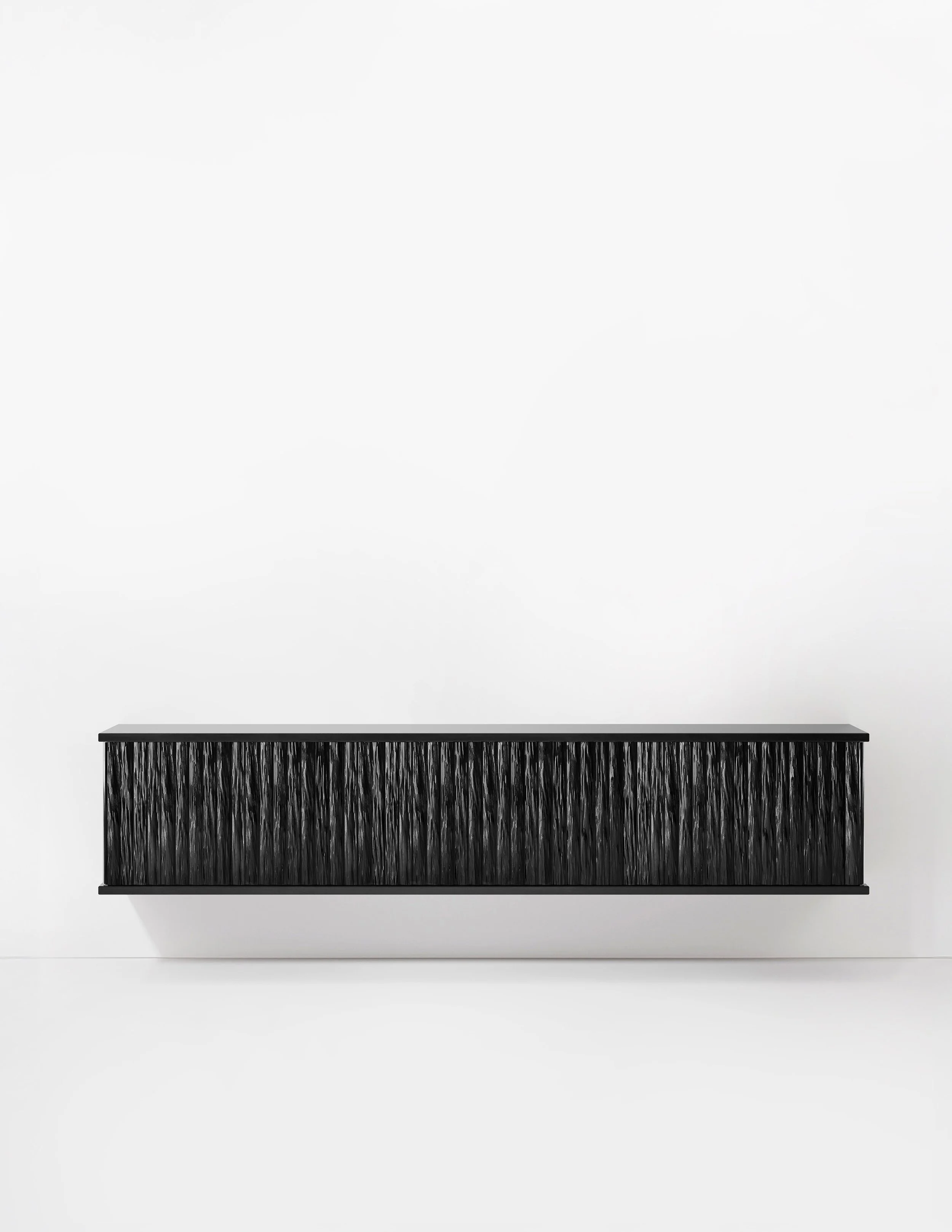
Hanging sideboard in Kitayama cedar and Japanese urushi lacquer. Each piece is signed.
-
Dimensions: width 281 cm/110 in, depth 49 cm/19 in, height 60 cm/23.6 in.
All pieces are made to order, and can be customized.
Materials: Kitayama cedar and wood covered with Japanese urushi lacquer.
Lead time: approximately 20-22 weeks unless otherwise quoted
-
The KAMI collection explores the Japanese urushi lacquer technique in a series of furniture pieces - tables, consoles, cabinets - and lighting fixtures. Obtained by repeating two gestures, polishing the support on one side and adding successive layers of urushi on the other, lacquering requires great skill. The research focused on a series of experiments around this process, to create finishes that play with transparency, relief and the interactions between the material and its support. The deliberately rounded shapes of the pieces use the brilliance of lacquer to catch the light.
-